Why China, the US and others are pressuring Ghana over Gold Royalty Hike
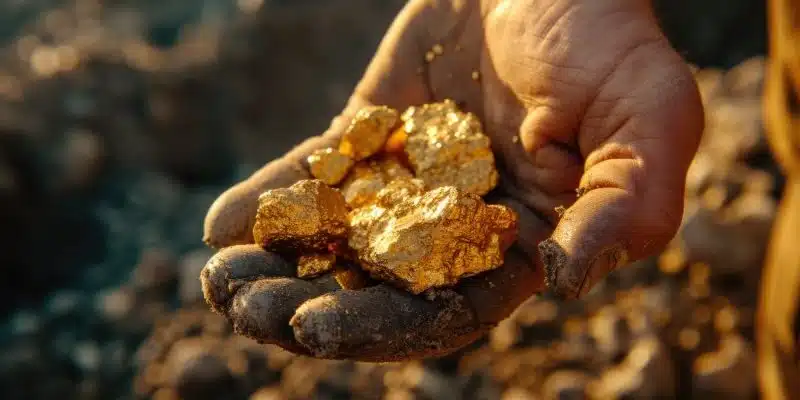
Ghana’s plan to increase royalties on gold mining has sparked rare coordinated diplomatic pressure from major global powers, including the United States, China, and several Western governments. The move has drawn strong reactions from international mining companies operating in the West African country.
Here is an explainer of what is happening and why it matters.
What Ghana Is Proposing
Ghana, Africa’s largest gold producer, currently charges mining companies a fixed 5% royalty on gold production. The government now wants to replace this with a sliding royalty scale ranging from 5% to 12%, depending on global gold prices.
The policy is intended to allow the country to benefit more when gold prices surge. Gold has recently reached record highs on international markets, and the government believes the reform would help Ghana capture more revenue from the mining sector.
Why Mining Companies Are Concerned
Mining firms say the proposed royalty structure could significantly increase operational costs. If gold prices rise and the royalty reaches the upper end of the scale, Ghana could become one of the most expensive places in Africa to mine gold.
Executives warn that the policy could:
Reduce profit margins for mining companies
Discourage future investment in Ghana’s mining sector
READ MORE: Ghana Cedi to Dollar Rate: BoG Rate for September 10
Make existing projects less financially viable
Several major global miners have reportedly raised concerns directly with Ghanaian authorities.
Countries Applying Diplomatic Pressure
The issue has triggered a coordinated response from multiple governments whose companies operate mines in Ghana. Diplomats from the United Kingdom, Canada, Australia, South Africa, China, and the United States have reportedly raised concerns with Ghana’s Ministry of Lands and Natural Resources.
Representatives from these diplomatic missions recently met with Ghana’s lands minister and presented a joint document outlining their concerns about the potential impact of the new royalty regime on mining operations.
Industry executives say such coordinated diplomatic engagement over a tax policy is highly unusual.
Mining Giants Voice Concerns
Several of the world’s largest gold mining companies have also privately expressed their objections to the proposal. Among them are:
Newmont
Gold Fields
READ MORE: Bank of Ghana lists 20 unlicensed loan apps – see full list
AngloGold Ashanti
Perseus Mining
Executives from these companies reportedly contacted Ghanaian authorities in late 2025 and early 2026 to highlight the potential impact of the royalty increase.
Chinese mining firms have also protested through the Association of China–Ghana Mining, warning that the policy could affect the viability of several operations.
Why the Issue Is So Important
Gold is a critical part of Ghana’s economy. The country is Africa’s largest gold producer and relies heavily on mining revenue to support government spending and economic development.
At the same time, international mining companies play a major role in the sector by providing capital, technology, and employment.
The debate therefore centres on how Ghana can increase its share of mining revenue without discouraging investment.
What Happens Next
The proposed royalty changes could take effect soon unless the government amends or delays the reform. Mining companies have suggested lower alternative rates and are seeking further discussions with Ghana’s finance ministry.
The outcome of these negotiations will determine whether Ghana proceeds with its plan or adjusts the proposal in response to pressure from industry and foreign governments.

Edem Kwame
Chief Editor
Edem Kwame is a staff journalist at GH News Media, where he covers news, sports, politics and current affairs with a sharp focus on Ghanaian and African football.