
10 countries that don’t allow Dual Citizenship
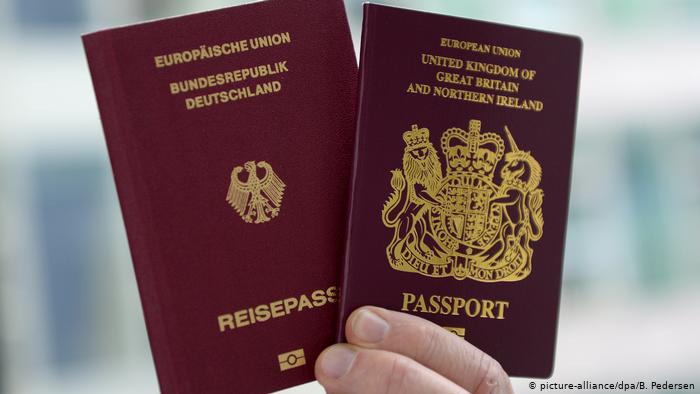
Dual citizenship allows a person to be legally recognised as a citizen of two countries at the same time. While many nations have embraced this concept to accommodate global mobility and migration, several countries still maintain strict laws that prohibit their citizens from holding another nationality.
In countries where dual citizenship is not allowed, individuals who acquire a second passport may be required to renounce their original citizenship or risk losing it automatically. Governments often justify these restrictions as a way to maintain national loyalty, simplify legal obligations, and avoid conflicts over taxation, military service, or political allegiance.
Below are 10 countries that generally do not allow dual citizenship.
10. Andorra
The small European principality of Andorra has one of the strictest citizenship policies in the world. Individuals who become citizens of another country may lose their Andorran nationality unless they renounce the foreign citizenship. Applicants seeking Andorran citizenship are typically required to live in the country for many years before qualifying.
READ MORE: Soft Life - A Form of Empowerment or Pressure?
9. China
China’s nationality law clearly states that the country does not recognise dual nationality. Chinese citizens who voluntarily acquire another nationality may automatically lose their Chinese citizenship under the law. (-)
8. India
India does not permit dual citizenship. Citizens who obtain another nationality are required to surrender their Indian passport. Instead of dual citizenship, India offers the Overseas Citizenship of India (OCI) programme, which grants certain residency and travel privileges but not full citizenship rights.
7. Japan
Japan generally requires citizens who acquire another nationality to renounce one of their citizenships. Individuals born with multiple nationalities must typically choose one nationality before reaching adulthood.
6. Singapore
Singapore strictly prohibits dual citizenship. Citizens who voluntarily acquire another nationality are expected to renounce their Singaporean citizenship, as the country maintains strict laws to ensure loyalty and national identity.
5. Saudi Arabia
Saudi Arabia traditionally does not recognise dual citizenship. Citizens who acquire another nationality without permission from the government may lose their Saudi citizenship unless special approval is granted by the authorities.
READ MORE: Everything you need to know about US Green Card Lottery
4. Qatar
Qatar is another country with strict citizenship regulations. Individuals who become citizens of another country generally lose their Qatari nationality unless they receive special approval from the government.
3. Kuwait
Kuwait typically prohibits dual citizenship. Citizens who obtain another nationality without official approval risk losing their Kuwaiti citizenship under the country’s nationality laws.
2. Nepal
Nepal does not allow its citizens to hold dual nationality. Individuals who acquire citizenship of another country must give up their Nepali citizenship.
1. Bhutan
Bhutan maintains one of the most restrictive citizenship policies in the world. The country does not allow dual citizenship, and citizens who obtain another nationality automatically lose their Bhutanese citizenship.

Edem Kwame
Chief Editor
Edem Kwame is a staff journalist at GH News Media, where he covers news, sports, politics and current affairs with a sharp focus on Ghanaian and African football.