Fugu: Ghana's Traditional Smock of Pride and Heritage
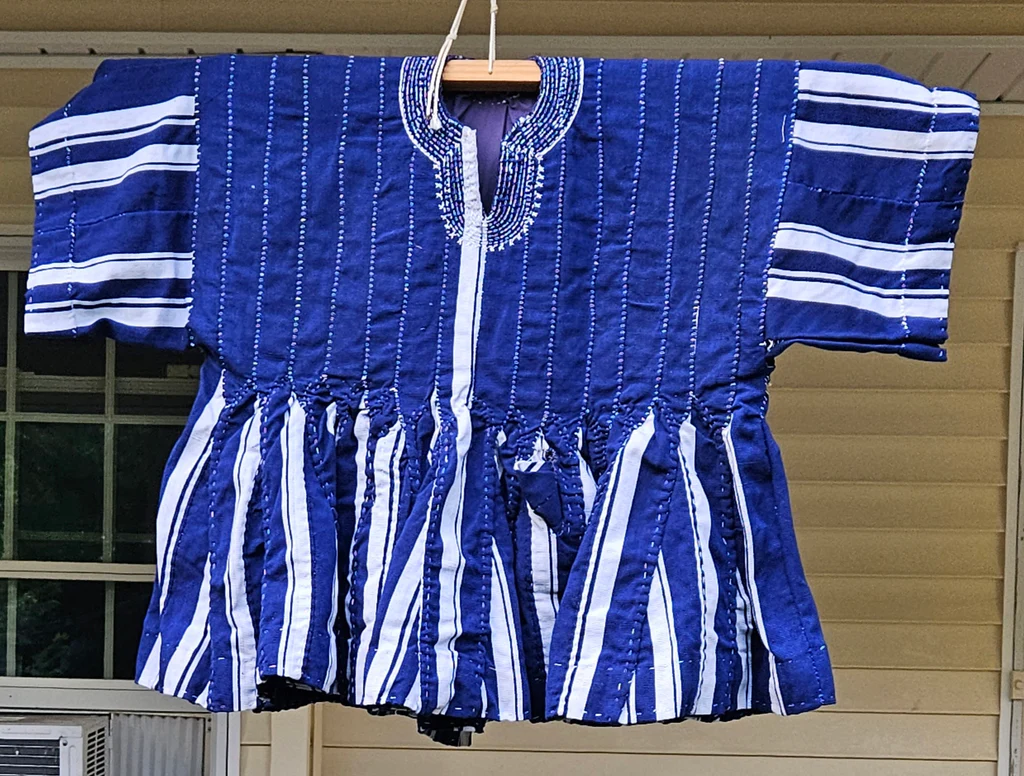
The fugu is a handwoven cotton garment from Ghana that tells a powerful story of culture, resistance, and identity. This traditional smock, also called batakari, comes from the northern regions of Ghana and represents much more than clothing. It is a symbol of African dignity and pride.
Origins and Names
The fugu originates from northern Ghana, where different ethnic groups have their own names for it. The word "fugu" is a translation from the Moshie word for cloth, while the Dagombas call the garment "bingba". In the Asante Twi language, people know it as batakari. The Moshies, who migrated from Burkina Faso and settled in northern Ghana, along with the Hausas from northern Nigeria, introduced the garment through ancient trade routes that connected West African communities.
This variety of names shows how the fugu belongs to many communities across West Africa. Each group claims it as part of their heritage, and each adds their own traditions to its making and wearing.
How Craftsmen Make the Fugu
The creation of a fugu is a careful process that involves entire communities. Local cotton is hand-spun and tightly woven into fabrics that protect wearers from both hot sun and cool winds. Threads are hand-dyed using natural plant-based pigments such as indigo leaves and tree bark, which creates the distinctive colours while keeping the process environmentally friendly.
Men traditionally operate the looms, spinning cotton into narrow strips about four inches wide. These hand-loomed strips comprise a blend of dyed and undyed cotton yarns, intricately sewn together by hand, resulting in a distinctive plaid pattern. Skilled craftsmen add embroidery designs to enhance their beauty.
This craft has become hereditary, with fathers transferring their knowledge and skills to their sons, who start learning at a very young age with simple wooden looms. This tradition ensures that each generation preserves the ancient techniques while adding their own creativity.
READ MORE: Top 10 Most Spoken Languages in the World 2026 Ranked
Cultural and Spiritual Meaning
The fugu carries deep spiritual and cultural importance. Initially worn by hunters and warriors who valued its strength and spiritual symbolism, the garment protected both body and spirit. In the 19th century, the batakari was worn by Ashanti military forces as war dress, made of cotton and covered with leather pouches and metal cases containing talismans, as the Ashanti forces believed this variant was bulletproof.
Kings, chiefs, and warriors wear the fugu during important ceremonies. For northern chiefs, it remains mandatory ceremonial attire. People also wear special fugus during life celebrations, festivals like Damba, and other significant cultural events. The garment connects the wearer to their ancestors and community.
Symbol of Independence
The fugu achieved its most famous moment in Ghana's history on March 6, 1957. Ghana's founding fathers wore the smock to declare Ghana's independence from the British. Dr. Kwame Nkrumah and members of the Big Six deliberately chose to wear splendid fugu smocks during Ghana's declaration of independence at the Old Polo Grounds in Accra.
By rejecting Western suits in favour of this indigenous garment, Nkrumah made a bold statement of pan-African pride, cultural confidence, and the concept of the "African Personality". This powerful choice transformed the fugu from regional clothing into a national symbol. The image of leaders standing in their handwoven smocks remains one of the most powerful visual representations of Africa's decolonisation struggle.
Modern Revival
In February 2026, the fugu gained new international attention. President John Dramani Mahama wore the traditional attire during his visit to Zambia, sparking heightened international attention after a comment describing it as a "blouse" turned into a viral cultural conversation. Rather than being offended, Ghanaians used this moment to educate the world about their heritage.
Foreign Affairs Minister Samuel Okudzeto Ablakwa described President Mahama's deliberate choice as a symbolic revival of the "African Personality" championed by Nkrumah. President Mahama reflected that smock weavers in Ghana would be very happy because through the power of social media, they received branding and marketing they could never have imagined.
READ MORE: 10 Largest Cemeteries in Africa
Economic Impact
Today, a vibrant traditional textile industry exists across Northern Ghana, from Bolgatanga through Tamale to Daboya, where young people are actively producing to meet growing demand. The fugu industry provides jobs for thousands of artisans who dye, weave, sew, and design these garments.
The fugu has also spread beyond Ghana's borders. People of African descent wear smocks to churches, mosques, African festivals, and Kwanzaa celebrations in major Western cities like New York and Kingston, Jamaica. This shows how the garment connects diaspora communities to their African roots.
Design and Everyday Use
The fugu is versatile and comfortable. While traditionally a men's garment, women now wear it as tunics, dresses, blouses, or in traditional styles. Unlike the kente cloth or Japanese kimono worn for special occasions, fugu is an everyday garb that hangs loosely, making it easy to wear and work with while offering grace to the wearer.
The design features a round neckline, short sleeves with wide openings, and hidden pockets decorated with embroidery. This makes it practical for daily life while still being beautiful enough for special occasions.
A Living Heritage
The fugu represents Ghana's living heritage. Each stitch speaks of endurance, each dye of tradition, and each finished garment of the unbroken thread connecting Ghana's diverse cultural landscape. From warriors to presidents, from village weavers to international fashion, the fugu continues to evolve while keeping its essential character.
The fugu teaches an important lesson about cultural pride and dignity. It shows that traditional clothing can be both practical and meaningful, both ancient and modern. As young weavers continue this craft and people worldwide embrace the garment, the fugu remains a powerful symbol of African identity, resilience, and the enduring beauty of handmade traditions.
Edem Kwame
Chief Editor
Edem Kwame is a staff journalist at GH News Media, where he covers sports, politics, news and current affairs with a sharp focus on Ghanaian and African football.