
Hantavirus: Symptoms, transmission, treatment & prevention
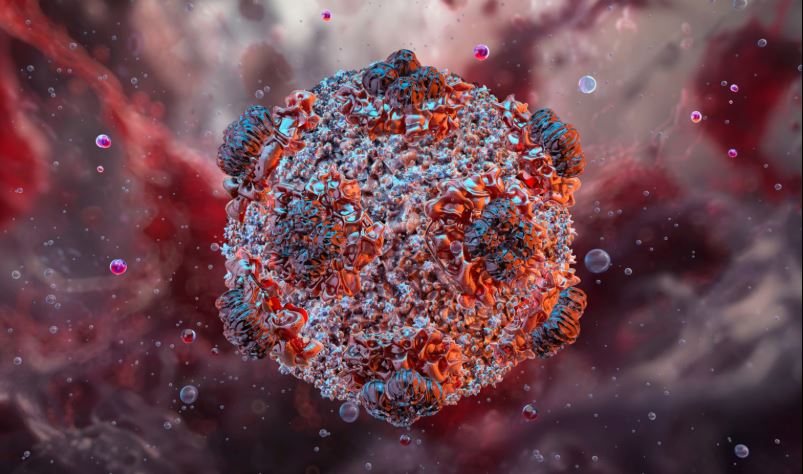
Hantavirus is a rare but potentially deadly viral infection that has recently captured global attention following a confirmed outbreak aboard the cruise ship MV Hondius in the South Atlantic. As of May 2026, eight cases — including three deaths — have been confirmed or suspected across multiple countries, prompting responses from the World Health Organization (WHO), the European Centre for Disease Prevention and Control (ECDC), and health ministries worldwide.
This comprehensive guide covers everything you need to know about hantavirus: what it is, how it spreads, its symptoms, diagnosis, treatment, prevention, and the latest developments from the 2026 outbreak.
What Is Hantavirus?
Hantavirus refers to a group of single-stranded RNA viruses belonging to the Hantaviridae family. These are zoonotic viruses, meaning they naturally infect rodents and are occasionally — though not commonly — transmitted to humans through contact with infected animals or their excretions.
When humans do become infected, hantavirus can trigger two distinct and serious clinical syndromes:
Hantavirus Pulmonary Syndrome (HPS) — primarily seen in the Americas, affecting the lungs and cardiovascular system
Haemorrhagic Fever with Renal Syndrome (HFRS) — found in Europe and Asia, primarvessels.ecting the kidneys and blood vessels
Globally, hantaviruses infect an estimated 200,000 people per year, making them a significant and emerging public health concern. While infection rates are relatively low compared to common respiratory viruses, the severity of disemakes— and the case fatality rates — make hantavirus a serious threat when it does occur.
History and Discovery
Hantaviruses are not new pathogens. Their discovery is generally linked to the Korean War in the 1950s, when thousands of United Nations soldiers fell ill with a mysterious haemorrhagic fever with kidney complications along the Hantaan River in Korea — the virus's eventual namesake.
The World Health Organization formally classified hantaviruses in 1987. However, a pivotal moment in modern hantavirus research came in 1993, when a dramatic outbreak in the Four Corners region of the United States (where Arizona, Colorado, New Mexico, and Utah meet) led to the identification of Hantavirus Pulmonary Syndrome (HPS) as a distinct and separate disease. This discovery split hantaviruses broadly into "Old World" strains (causing renal disease) and "New World" strains (causing pulmonary disease).
Types of Hantavirus
There are dozens of known hantavirus strains, each associated with a specific rodent host and a specific geographic rinclude the following:he most clinically relevant include:
In the Americas (New World Hantaviruses):
Sin Nombre Virus — Camaniculatus) and mouse (Peromyscus maniculatus), and the primary cause of HPS in North America. Most U.S. infections occur west of the Mississippi River.
Andes Virus (ANDV) — Found primarily in Argentina and Chile. Currently the only known hantavirus with documented human-to-humarare, is the Andes virus.nsmission, though this remains rare. ANDV is associated with a high case fatality rate and is the strain confirmed in the 2026 cruise ship outbreak.
Black Creek Canal Virus — Carried by the cotton rat, found in the southeastern United States.
In Europe and Asia (Old World Hantaviruses):
Hantaan Virus (HTNV) — Found in Asia, carried by the striped field mouse. A major cause of severe HFRS.
Puumala Virus — Found in Scandinavia and northern Europe, carried by the bank vole. Causes a milder form of HFRS.
Seoul Virus — Distributed worldwide through the common brown rat. Associated with mild to moderate HFRS.
Dobrava Virus — Found in the Balkans, carried by the yellow-necked mouse.
How Hantavirus Spreads (Transmission)
Understanding how hantavirus spreads is critical for prevention. The primary route is inhalation of aerosolised particles from infected rodents' urine, faeces, or saliva — particularly when these materials are disturbed in poorly ventilated spaces.
Common Routes of Exposure:
Inhaling aerosolised rodent droppings or nesting material — This is by far the most common method of transmission. Sweeping or disturbing contaminated material in enclosed, poorly ventilated areas is particularly dangerous.
Direct contact with infected rodents — Touching rodents or their droppings and then touching eyes, nose, or mouth.
Rodent bites — Less common, but possible.
Ingesting contaminated food or water — Rare, but documented.
A Critical Point: It Is NOT Highly Airborne
Experts emphasise that hantavirus behaves very differently from highly contagious airborne diseases like influenza or measles. According to researchers, hantavirus aerosols do not stay suspended in the air for long periods and do not transmit as easily. Transmission requires close, direct conta or,ith contaminated rodent material, or in the case of the Andes strain, prolonged close person-to-person contact.
Human-to-Human Transmission
For the vast majority of hantavirus strains, there is no documented human-to-human transmission. virus,itical exception is the Andes Virus, where limited human-to-human spread has been reported in previous the Andes virus,an outbreaks. Even with Andes Virus, transmission requires close and prolonged contact — such as sharing a bed or living space — and is not the same as the casual person-to-person spread seen with COVID-19 or influenza.
Do not assume any exposure to rodents or their droppings is automatically dangerous. The virus is rare, and risk depends heavily on geography, environment, and the specific rodent species present.
Symptoms of Hantavirus
One of the most challenging aspects of hantavirus infection is that early symptoms are non-specific and easily mistaken for influenza or other common illnesses. Symptoms typically begin one to eight weeks after exposure, depending on the specific hantavirus strain involved.
Early-Stage Symptoms (Days 1–5):
Fever and chills
Fatigue and weakness
Muscle aches (particularly in the thighs, hips, back, and shoulders)
Headache
Nausea, vomiting, and abdominal pain
Diarrhoea
These early symptoms appear very similar to gastroenteritis or the flu, which is why hantavirus is frequently misdiagnosed at this stage.
Late-Stage Symptoms (Days 5 onwards — severe cases):
Shortness of breath (often sudden and severe)
Coughing (often productive)
Chest tightness
Signs of shock (low blood pressure, rapid heartbeat)
Acute Respiratory Distress Syndrome (ARDS) in HPS cases
Decreased urination, swelling, and haemorrhagic symptoms in HFRS cases
If you experience sudden shortness of breath or difficulty breathing after known or suspected rodent exposure, seek emergency medical care immediately.
Hantavirus Pulmonary Syndrome (HPS)
Hantavirus Pulmonary Syndrome (HPS) is the form of hantavirus disease seen in North and South America. It is characterised by rapidly progressive respiratory failure and cardiovascular compromise.
When the virus reaches the lungs, it invades the tiny blood vessels (capillaries) that line the air sacs (alveoli). This causes capillary leakage, leading to pulmonary oedema — a dangerous accumulation of fluid in the lungs. The heart is also affected, resulting in reduced cardiac output.
Case Fatality Rate: HPS carries a high mortality rate, estimated at 38% in the United States historically, though this variesvirusificantly by strain. The Andes Virus strain associated with the 2026 outbreak is known to carry a particularly high fatality rate.
Progression is rapid: Patients can deteriorate from mild flu-like symptoms to life-threatening respiratory failure within 24–48 hours.
Haemorrhagic Fever with Renal Syndrome (HFRS)
In Europe and Asia, Old World hantavirus strains cause HFRS, a disease centred on kidney damage and haemorrhage (abnormal bleeding).
Phasesonset ofFRS:
Febrile phase — Sudden onset fever, headache, abdominal pain, and backache (3–7 days)
Hypotensive phase — Drop in blood pressure, potentially leading to shock (hours to days)
Oliguric phase — Decreased urine production as kidneys fail (3–7 days)
Diuretic phase — Recovery of urine flow, risk of dehydration
Convalescent phase — Gradual recovery over weeks tovirushs
HFRS caused by the Puumala Virus (common iThe Hantaanivirus) is generallvirusder. Hantaan Virus and Dobrava Virus cause more severe disease with mortality rates of 5–15%.
Diagnosis
Hantavirus infection is diagnosed through laboratory testing, as clinical symptoms alone are insufficient for diagnosis. Key diagnostic methods include:
PCR (Polymerase Chain Reaction) — Detects hantavirus genetic material in blood samples. This is the gold standard for early diagnosis.
Serology (antibody testing) — Detects IgM and IgG antibodies against hantavirus proteins. IgM antibodies indicate recent infection.
Immunofluorescence assay — Used to detect hantavirus antigens in blood cells.
Chest X-ray / CT scan — Shows characteristic bilateral pulmonary infiltrates in HPS; helps assess severity.
Complete blood count — May reveal thrombocytopaenia (low platelets), elevated white blood cells, and abnormal red blood cell forms.
Given the non-specific early presentation, clinicians should maintain a high index of suspicion for hantavirus in patients with unexplained febrile illness and a history of rodent exposure, particularly in endemic areas.
Treatment and Supportive Care
There is currently no specific licensed antiviral treatment for hantavirus infection anywhere in the world. Management is entirely supportive, focusing on preserving organ function while the body fights the infection.
Supportive Care for HPS:
Oxygen therapy and mechanical ventilation — Required in severe cases to manage respiratory failure and maintain blood oxygen levels. Intubation (placement of a breathing tube) may be necessary.
Fluid management — Careful balancing of fluids to prevent both dehydration and worsening pulmonary oedema.
Vasopressors — Medications to support blood pressure in cases of shock.
ICU monitoring — Close, continuous monitoring of vital signs, blood gases, and organ function.
Extracorporeal Membrane Oxygenation (ECMO) — Used in some severe cases to support heart and lung function.
Supportive Care for HFRS:
Dialysis — May be required when kidneys fail to adequately filter the blood during the oliguric phase.
Electrolyte management — Careful control of sodium, potassium, and other electrolytes.
Fluid replacement — Critical during the diuretic phase.
Investigational Therapies
Several candidate drugs have shown some efficacy in early research, including ribavirin, favipiravir, lactoferrin, and vandetanib. Immunotherapy approaches, including monoclonal antibodies (such as MIB22 and JL16) generated from convalescent hantavirus patients, have also shown promise in preclinical studies. However, none of these are currently licensed for routine clinical usongoing,lly.
Vaccine development is ongoing but no licensed vaccine exists worldwide.
Speed of care is crucial. Early admission to an ICU dramatically improves survival outcomes. Any patient with known or suspected hantavirus exposure presenting with worsening symptoms should be admitted and managed aggressively.
How to Prevent Hantavirus
Prevention centres on avoiexcretions andth rodents and their excretions, and cleaning contaminated environments safely.
At Home and Indoors:
Seal all holes and gaps in walls, floors, and foundations through which rodents could enter. Use steel wool, caulk, or hardware cloth.
READ MORE: Everything you need to know about US Green Card Lottery
Store food in rodent-proof metal or thick plastic containers with tight-fitting lids.
Keep firewood and building materials stored away from the house.
Use snap traps rather than glue traps to minimise aerosolisation of rodent material during cleanup.
Never vacuum or sweep dry rodent droppings — this aerosolises particles. Instead, spray droppings with a bleach solution (approximately 1.5 cups of bleach per litre of water), let it soak for 5 minutes, and wipe up with disposable paper towels.
Wear rubber or latex gloves when cleaning. Dispose of gloves after use.
Ventilate potentiallysheds, andminated spaces (e.g., cabins, sheds, garages) for at least 30 minutes before cleaning.
Outdoors and in High-Risk Areas:
Avoid disturbing rodent burrows or nesting sites.
When camping, choose campsites away from brush piles and areas with visible rodent activity.
Air out tents, sleeping bags, and cabins before using.
Do not sleep on bare ground in endemic afarmworkers,gh-Risk Workers (e.g., farm workers, pest control professionals):
Wear N95 respirators or equivalent protective masks when working in enclosed spaces with potential rodent contamination.
Use full protective equipment when handling rodents or cleaning heavily infested areas.
The 2026 MV Hondius Cruise Ship Outbreak
In April and May 2026, hantavirus made global headlines after a cluster of severe respiratory illnesses was identified aboard the Dutch-flagged cruise ship MV Hondius.
Timeline of Events:
The MV Hondius departed Ushuaia, city),tina (the world's southernmost city) on Apra crew, 2026, with 147 passengers and crew of 23 nationalities aboard. The voyage was intended to visit Antarctica and several remote South Atlantic islands, including Tristan da Cunha and Saint Helena.
On April 11, a Dutch male passenger died on board. His wife, who had been showing gastrointestinal symptoms, disembarked at Saint Helena on April 24 and deteriorated during a subsequent flight to Johannesburg. She died upon arrival at a South African hospital on April 26 and later tested positive for the Andes strain of hantavirus by PCR.
On April 24, a British passenger fell ill with fever, shortness of breath, and signs of pneumonia. He was medically evacuated to Johannesburg on April 27, where he was admitted to an ICU in critical but stabilising condition.
On May 2, a third passenger — a German national — died on board from pneumonia-related symptoms. The WHO was notified o4, thethe cluster the same day.
By May 4, WHO confirmed two laboratory-confirmed hantavirus cases and five suspected cases — three devirusin total.
By May 6, the Andes Virus strain was confirmed as the causative agent. A Swiss man who had previously disembarked the vessel sought medical care in Zurich and tested positive, bringing the total number of cases to eight (three confirmed by PCR, five suspected).
As of May 7, 2026, the MV Hondius had departed Cape Verde and was heading for Tenerife in Spain's Canary Islands, despite objections from the who hadary Islands' regioentry,resident, who refused the ship entry citing public safety concerns. The WHO stated that Spain had a moral and legal obligation to assist the remaining passengers, which included several Spanish citizens.
How Did the Outbreak Begin?
The leading hypothesis, put forward by Argentine investigators, is that the index cases — the virus couple — contracted the Andes Virus during a birdwatching tour in Ushuaia before boarding the ship. Argentine authorities published a report tracing the couple's movements through a four-month road trip spanning Chile, Uruguay, and Argentina before their April 1 departure.
Was There Human-to-Human Spread?
The WHO noted that human-to-human transmission of the Andes Virus may have occurred aviruspassengers on board. The Andes Virus is the only known hantavirus with documented person-to-person spread, albeit very limited and requiring prolonged close contact. WHO epidemiologist Maria Van Kerkhove confirmed that viruse COVID-19 or influenza, Andes Virus transmission requires close contact, such as sharing a bed or food, rather than casual exposure.
Global Risk Assessment
Both the WHO and the ECDC have assessed the risk to the general global population as LOW. Hantavirus, even the Andes strain, does not spread easily between people. The cluster aboard the MV Hondius represents a unique convergence of a group of people in close quarters who may have had shared exposures in a hantavirus-endemic region.
Frequently Asked Questions
Can you get hantavirus from another person? For most hantavirus strains, no — human-to-human transmission is not documenvirus,he one exception is the Andes Virus, found in South America, where very limited person-to-person spread has been documented in cases involving prolonged close contact. The 2026 cruise ship outbreak involves the Andes strain and may involve some human-to-human transmission.
Is hantavirus the same as COVID-19? No. Hantavirus and SARS-CoV-2 (COVID-19) are completely different viruses with different transmission routes. Hantavirus comes from rodents, not humans, and does not spread nearly as efficiently from person to person.
What is the mortality rate of hantavirus? This varies significantly by straipulmonary syndromeccess. Hantavirus Pulmonarvirusdrome caused by the Sin Nombre Virus has historically carried a case fatality rate of around virusn the United States. The Andes Virus is similarly severe. Old World strains causing HFRS tend to have lower fatality rates,virus)ng from less than 1% (Puumala Vviruses).5–15% (Hantaan and Dobrava Viruses).
Is there a vaccine for hantavirus? No licensed vaccine exists globally, though research is ongoing. Candidate vaccines are in development.
Can pets get hantavirus? Domestic dogs and cats are not known to carry hantavirus or spread it to humans. They may, however, bring infected rodents into contact with people.
How long after exposure do symptoms appear? Symptoms typically appear between one and eight weeks after exposure to the virus, with an average incubation period of around two to four weeks.
Should I be worried about the 2026 outbreak? The WHO has rated the global public risk as LOW. The outbreak is being carefully managed, and hantavirus does not spread through casual contact, making a broad outbreak similar to COVID-19 extremely unlikely.
Key Takeaways
Hantavirus is a rodent-borne viral disease that causes two serious syndromes: HPS (lung-focused, Americas) and HFRS (kidney-focused, Europe/Asia).
Transmission is primarily through inhaling aerosolised rodent droppings or nesting materials — not through casual human contact.
The Andes Virus, uniquely among hantaviruses, has shown limited human-to-human transmission and is the strain involved in the 2026 cruise ship outbreak.
There is no licensed cure or vaccine. Treatment is supportive, focused on organ function and survival.
Prevention centres on rodent control and safe cleaning practices.
The 2026 MV Hondius outbreak (8 cases, 3 deaths as of Mathe WHO) is being actively monitored by WHO and ECDC, with global risk currently assessed as LOW.
This article is intended for informational purposes only and does not constitute medical advice. If you believe you may have been exposed to hantavirus or are experiencing symptoms consistent with infection, contact a medical professional or emergency services immediately.
Sources: World Health Organization (WHO), Centers for Disease Control and Prevention (CDC), European Centre for Disease Prevention and Control (ECDC), Mayo Clinic, Frontiers in Microbiology, University of Florida Health, Stony Brook Medicine.

Edem Kwame
Chief Editor
Edem Kwame is a staff journalist at GH News Media, where he covers news, sports, politics and current affairs with a sharp focus on Ghanaian and African football.