Top 10 richest African countries
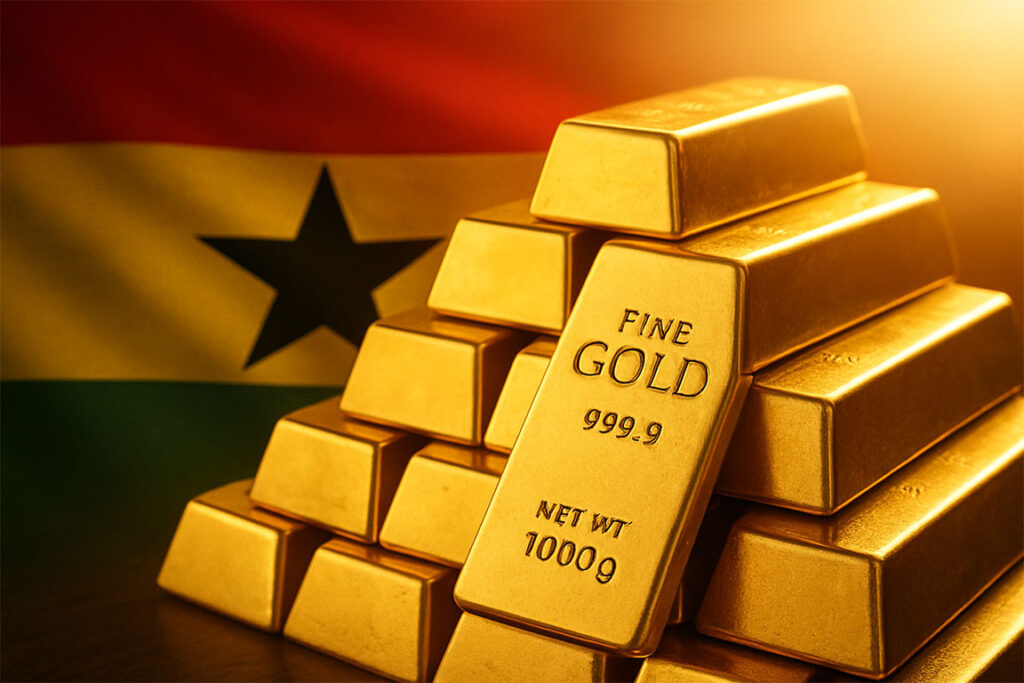
Africa's economic map is shifting again in 2026. According to the International Monetary Fund's latest World Economic Outlook, the continent's combined GDP will reach roughly $3.32 trillion this year, and the race for the top spot remains as competitive as ever. Here is a data-backed look at the ten richest countries in Africa by nominal GDP and what is driving each economy.
1. South Africa – $443.64 billion
South Africa holds on to its position as Africa's largest economy. Johannesburg remains the continent's financial nerve centre, home to its most developed stock exchange and banking sector. The country's strength lies in diversification, with mining, manufacturing, financial services, and tourism all contributing meaningfully to output. Persistent power shortages and high unemployment remain its biggest drags on growth.
2. Egypt – $399.51 billion
Egypt sits close behind in second place, powered by its control of the Suez Canal, one of the busiest shipping routes on earth. Tourism revenue continues to fluctuate with regional stability, but Chinese-backed infrastructure investment in ports and transport networks is expanding Egypt's role as a logistics bridge between Africa, the Middle East, and Europe. Currency pressure and debt sustainability remain key challenges.
3. Nigeria – $334.34 billion
Nigeria has dropped to third place after previously topping the continental rankings, largely due to naira devaluation reducing its dollar-value output. Even so, with more than 200 million people, Nigeria remains Africa's largest consumer market. Oil still dominates export earnings, but fintech, telecommunications, and a fast-growing tech startup scene are increasingly shaping the economy's future.
4. Algeria – $284.98 billion
READ MORE: Top 10 richest presidents in the world in 2026 ranked by net worth
Algeria's economy runs largely on hydrocarbons, with oil and gas exports forming the backbone of government revenue. That dependence leaves the country exposed to swings in global energy prices. Diplomatic tensions with France in recent times have added another layer of uncertainty to its international economic relationships, even as officials talk up plans to diversify beyond fossil fuels.
5. Morocco – $196.12 billion
Morocco rounds out the top five as one of the continent's most diversified, reform-driven economies. Heavy investment in automotive and aerospace manufacturing has turned the country into a production base for European markets. Political stability relative to its neighbours, combined with growing solar energy capacity, continues to attract steady foreign direct investment.
6. Kenya – $140.87 billion
Kenya anchors East Africa's economy, with Nairobi functioning as the region's business and logistics hub. A relatively sophisticated financial sector and a thriving tech ecosystem, often nicknamed "Silicon Savannah", give Kenya an edge in attracting regional and global investment.
7. Ethiopia – $125.74 billion
Ethiopia is growing at 7.1 per cent, one of the fastest rates on the continent, despite recent internal conflict. The Grand Ethiopian Renaissance Dam is reshaping the country's energy landscape, while exchange rate liberalisation and the launch of a new stock exchange signal a broader shift toward private investment.
8. Ghana – $113.49 billion
READ MORE: BoG suspends 0.75% MTN MoMo-to-Bank transfer fee
Ghana rounds out the upper half of the list, holding its place as one of West Africa's more stable democracies. Gold, cocoa, and a growing services sector continue to anchor the economy, even after recent fiscal challenges tested the country's macroeconomic stability. IMF-supported reforms have helped steady the ship, and Ghana's institutions remain comparatively strong for the region.
9. Côte d'Ivoire – $111.45 billion
Côte d'Ivoire is growing at 6.4 per cent and steadily positioning itself as a regional financial services hub. As the world's largest cocoa exporter, the country pairs its traditional agricultural strength with rising oil production and sustained infrastructure spending.
10. Angola – $109.86 billion
Angola closes out the top ten, its economy still heavily tied to oil despite ongoing diversification efforts. Like several of its resource-rich peers, Angola's central challenge is converting natural resource wealth into broader, more inclusive economic development.
Why the rankings keep shifting
Nominal GDP rankings move with exchange rates as much as with actual economic performance. Nigeria's fall from first to third place is a clear example: it reflects naira depreciation more than any collapse in economic activity. That is why economists caution against reading these rankings as a complete measure of prosperity. A separate ranking, GDP per capita, tells a different story entirely, with smaller economies like Seychelles and Mauritius topping that table instead.
For now, though, South Africa, Egypt, and Nigeria remain Africa's three economic heavyweights, while Ghana's presence in the top ten confirms its standing as one of the continent's steadier, more resilient economies.
Edem Kwame
Edem Kwame is a staff journalist at GH News Media, where he covers sports, politics, and current affairs with a sharp focus on Ghanaian and African football. Known for his in-depth match analysis and timely reporting on the Black Stars, Edem brings a fan's passion and a reporter's rigor to every story he covers. His work spans breaking news, player features, and tournament coverage, including Ghana's campaigns on the continental and global stage. When he's not chasing the latest football headlines, Edem follows broader developments across Ghanaian society, bringing readers clear, well-researched journalism they can trust.