10 African countries with the most languages
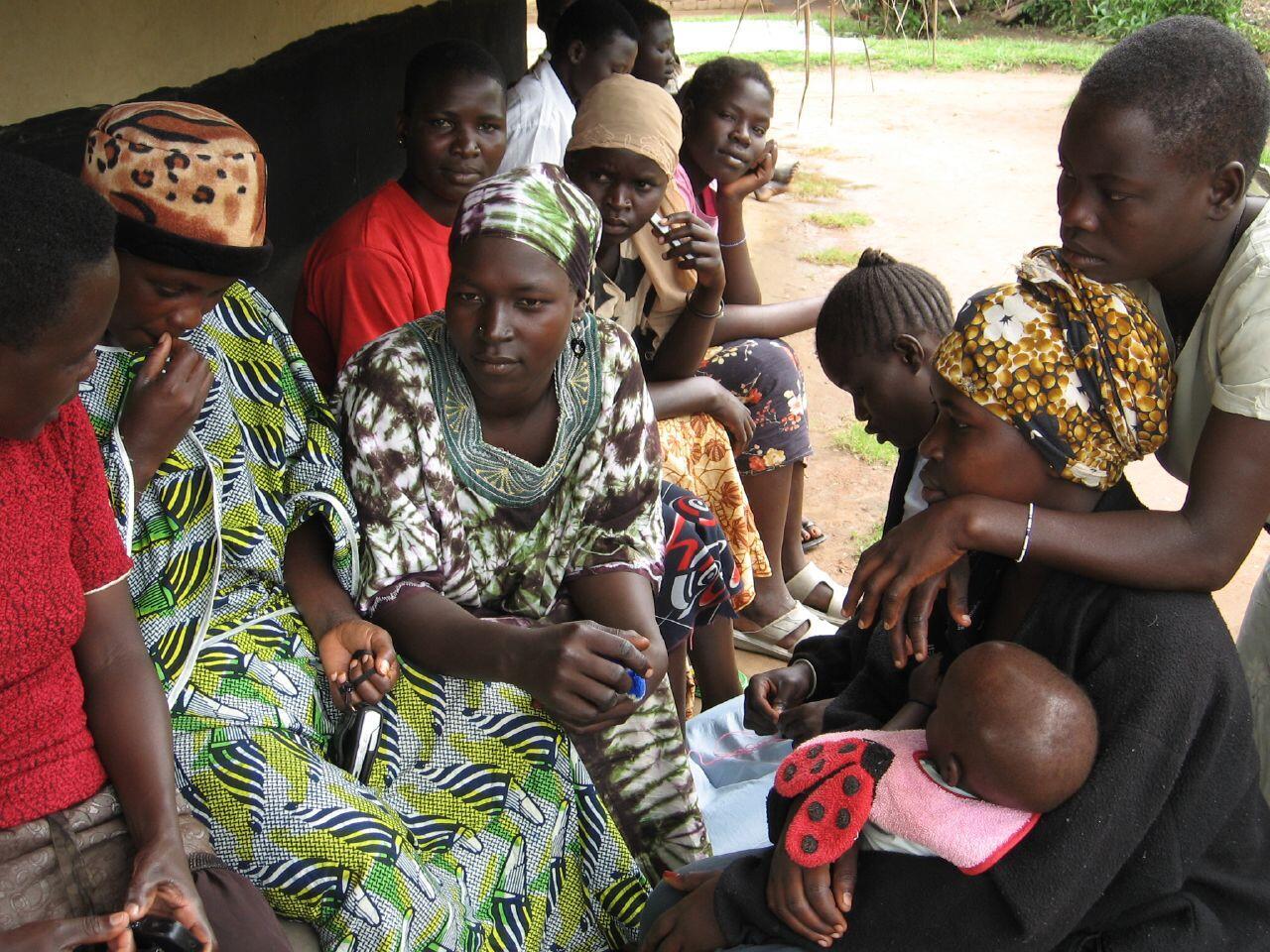
Africa is the world's most linguistically diverse continent, home to more than 2,000 living languages, roughly a third of all languages spoken on Earth.
That diversity is spread unevenly across the continent, with a handful of countries accounting for a disproportionate share of the total.
Here are 10 African countries with the highest number of living languages, according to Ethnologue data.
1. Nigeria — 520+ Languages
Nigeria is Africa's most linguistically diverse country and the third most diverse in the world, trailing only Papua New Guinea and Indonesia. Its major languages, Hausa, Yoruba and Igbo, are spoken by tens of millions of people, but hundreds of smaller languages thrive across the country's more than 250 ethnic groups. English remains the official language, a legacy of British colonial rule, while the sheer scale of Nigeria's linguistic map reflects its position as Africa's most populous nation.
2. Cameroon — 275 Languages
Often described as "Africa in miniature", Cameroon packs an extraordinary range of languages into a country roughly the size of California. Its linguistic wealth spans Afro-Asiatic, Nilo-Saharan and Niger-Congo families, with the vast majority belonging to the Niger-Congo group. French and English serve as official languages, while Cameroonian Pidgin English and Fulfulde function as widely used lingua francas across different regions.
3. Democratic Republic of the Congo — 215 Languages
READ MORE: 10 animals that can survive without oxygen for long periods
The Democratic Republic of the Congo is home to well over 200 languages spoken across its vast and ethnically diverse territory. Swahili and Lingala serve as widely used lingua francas alongside French, the official language, but hundreds of smaller community languages are spoken across the country's many ethnic groups. The DRC's size and dense forest geography have historically limited contact between communities, helping preserve this level of linguistic diversity.
4. Tanzania — 126 Languages
Tanzania is considered one of the most linguistically diverse countries in East Africa, home to languages from the Bantu, Cushitic, Nilotic and Khoisan families. Swahili functions as the national lingua franca and a unifying force across the country, while English serves alongside it as an official language. Despite this linguistic diversity, Tanzania is often cited as a rare case of relative language stability, with fewer languages under serious threat compared to some neighbouring countries.
5. Chad — 123 Languages
Chad has been ranked as one of the most culturally diverse nations, not just in Africa but in the world. Its indigenous languages fall mainly into the Chadic, Nilo-Saharan and Adamawa language families, while French and Arabic serve as the country's official languages. Chadian Arabic functions as a widely spoken lingua franca and commercial language, used by a majority of the population alongside their native tongues.
6. Côte d'Ivoire — 88 Languages
Côte d'Ivoire's linguistic landscape includes dozens of indigenous languages alongside French, its official language, and Dioula, a widely used trade language that crosses ethnic lines. Baoulé is among the most commonly spoken indigenous languages in the country's central regions. The country is also home to several endangered and rare languages, including a language isolate spoken by a small community with no known linguistic relatives.
7. Ghana — 83 Languages
READ MORE: Grace Nortey Dies at 89: Inside the Life and Legacy of a Ghanaian Screen Icon
Ghana is home to more than 80 living languages, spanning the Kwa, Gur and Mande branches of the Niger-Congo family, even as English remains the official language inherited from colonial rule. Languages such as Akan, Ewe and Dagbani are widely spoken across different regions of the country, alongside many smaller community languages. Ghana's linguistic diversity reflects its long history as a meeting point of different West African peoples and trade routes.
8. Sudan — 80 Languages
Sudan is home to dozens of indigenous languages alongside its two official languages, English and Standard Arabic. Its linguistic diversity reflects the country's position at the crossroads of North and Central Africa, with languages drawn from Nilo-Saharan and Afro-Asiatic families. Sudanese Arabic functions as the dominant lingua franca across much of the country, even as many smaller indigenous languages remain in active use.
9. Central African Republic — 72 Languages
The Central African Republic is home to dozens of indigenous languages, most belonging to the Ubangian and Niger-Congo language families. French serves as the country's official language, while Sango, a widely spoken creole, functions as the national lingua franca connecting the country's many ethnic groups. Despite its relatively small population, the country's linguistic map remains notably diverse.
10. South Sudan — 72 Languages
South Sudan is home to more than 60 indigenous languages, most belonging to the Nilo-Saharan family, alongside English, its official language introduced during the colonial era. Widely spoken indigenous languages include Dinka, Nuer, Bari and Zande, while Juba Arabic functions as an informal lingua franca in many areas. The country has also expressed interest in adopting Swahili as a second official language to strengthen regional ties with the East African Community.
Africa's linguistic diversity is a living record of the continent's deep history, migration patterns and cultural resilience. As globalisation and urbanisation put pressure on smaller speech communities, many of these languages are now considered endangered, making their preservation an urgent priority for linguists and governments across the continent.
Edem Kwame
Chief Editor
Edem Kwame is a staff journalist at GH News Media, where he covers sports, politics, news and current affairs with a sharp focus on Ghanaian and African football.