10 Cleanest Cities in Africa
Africa is home to some of the most vibrant and fast-growing cities in the world. While rapid urbanisation often brings challenges such as traffic congestion and waste management, several African cities have distinguished themselves as clean, well-organised, and environmentally sustainable.
These cities not only maintain aesthetic appeal but also provide healthier living conditions, attract tourists, and improve residents’ quality of life. This guide explores the 10 cleanest cities in Africa, highlighting their sanitation practices, urban planning, and sustainability initiatives.
What Makes a City “Clean” in Africa?
Clean cities in Africa are defined by more than tidy streets. Effective urban cleanliness includes waste management, public sanitation, environmental policies, community participation, and sustainable infrastructure. Cities that excel in these areas often enforce plastic regulations, maintain green spaces, implement regular street cleaning, and run public awareness campaigns. Clean urban centres are also more attractive to tourists, investors, and residents, enhancing economic opportunities and liveability.
1. Kigali, Rwanda
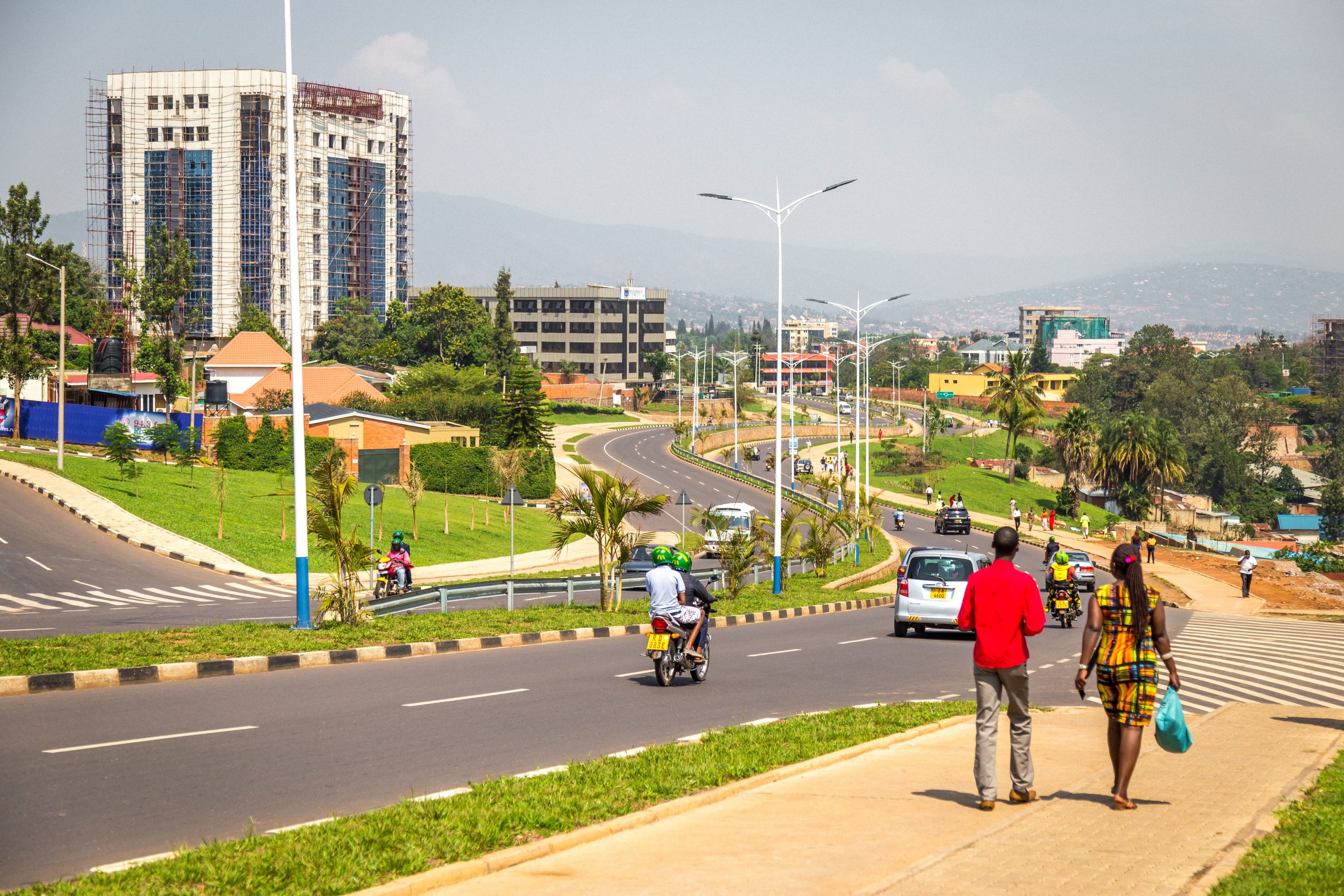
Kigali is widely recognised as Africa’s cleanest city due to its strict policies and strong civic engagement. The country banned non-biodegradable plastic bags in 2008, significantly reducing litter across the capital. Kigali’s monthly Umuganda clean-up initiative actively involves citizens in maintaining public spaces. The city’s urban planning emphasises clean streets, green parks, and well-maintained infrastructure. Kigali’s model demonstrates how governance, community engagement, and urban planning can foster long-term urban cleanliness.
2. Port Louis, Mauritius
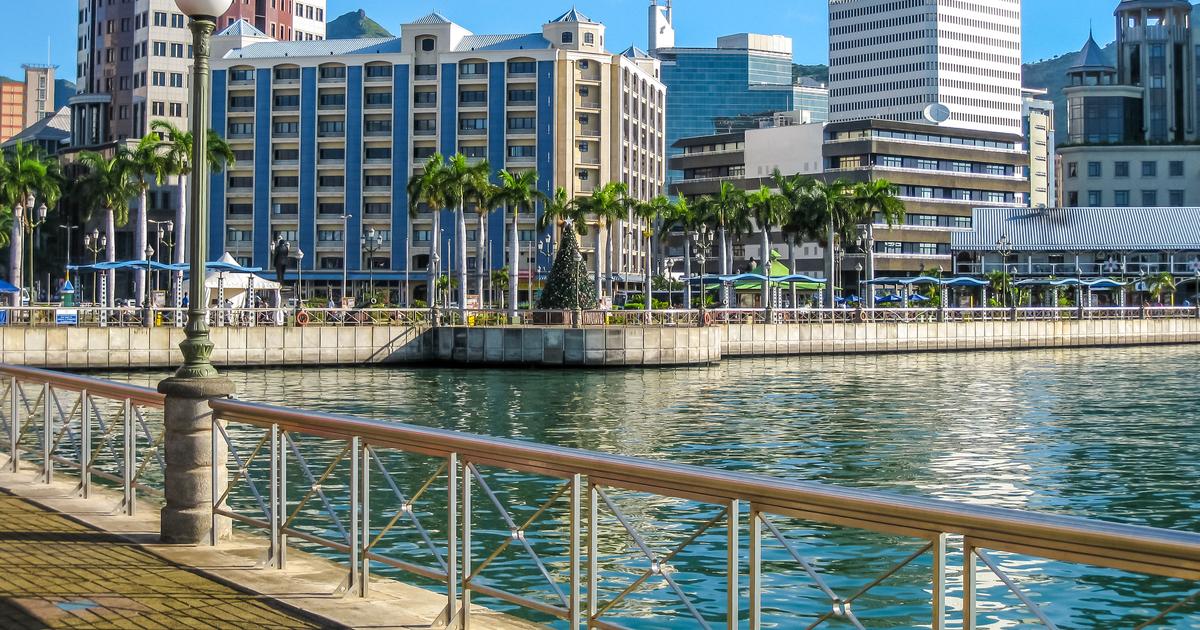
Port Louis, Mauritius, combines scenic island charm with disciplined urban sanitation. The city maintains clean streets, markets, and waterfronts through efficient waste management and recycling programmes. Regular public maintenance and beautification initiatives contribute to its reputation as one of Africa’s cleanest cities. Port Louis illustrates how economic resources and tourism-driven policies can enhance urban sanitation and liveability.
READ MORE: 10 countries that will actually pay you to move there
3. Gaborone, Botswana
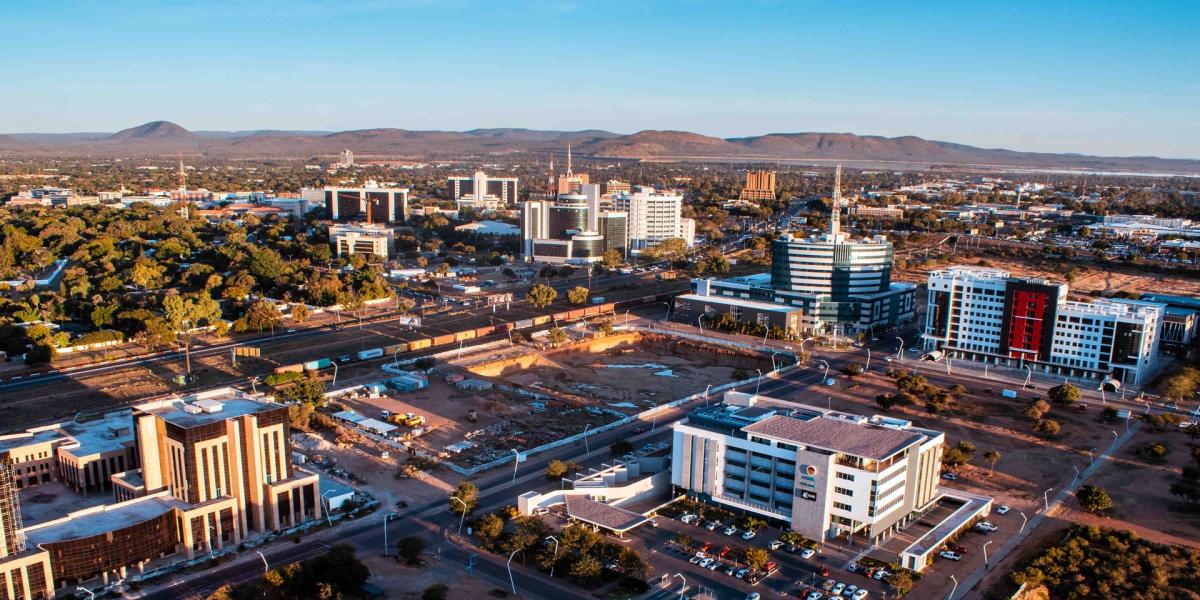
Gaborone stands out as an example of disciplined urban management. Strict anti-littering laws, regular waste collection, and green urban spaces keep the city orderly and environmentally friendly. Residents participate actively in community clean-up initiatives, showing that civic engagement is as crucial as municipal efficiency. Gaborone proves that even smaller capitals can achieve exceptional cleanliness.
4. Windhoek, Namibia
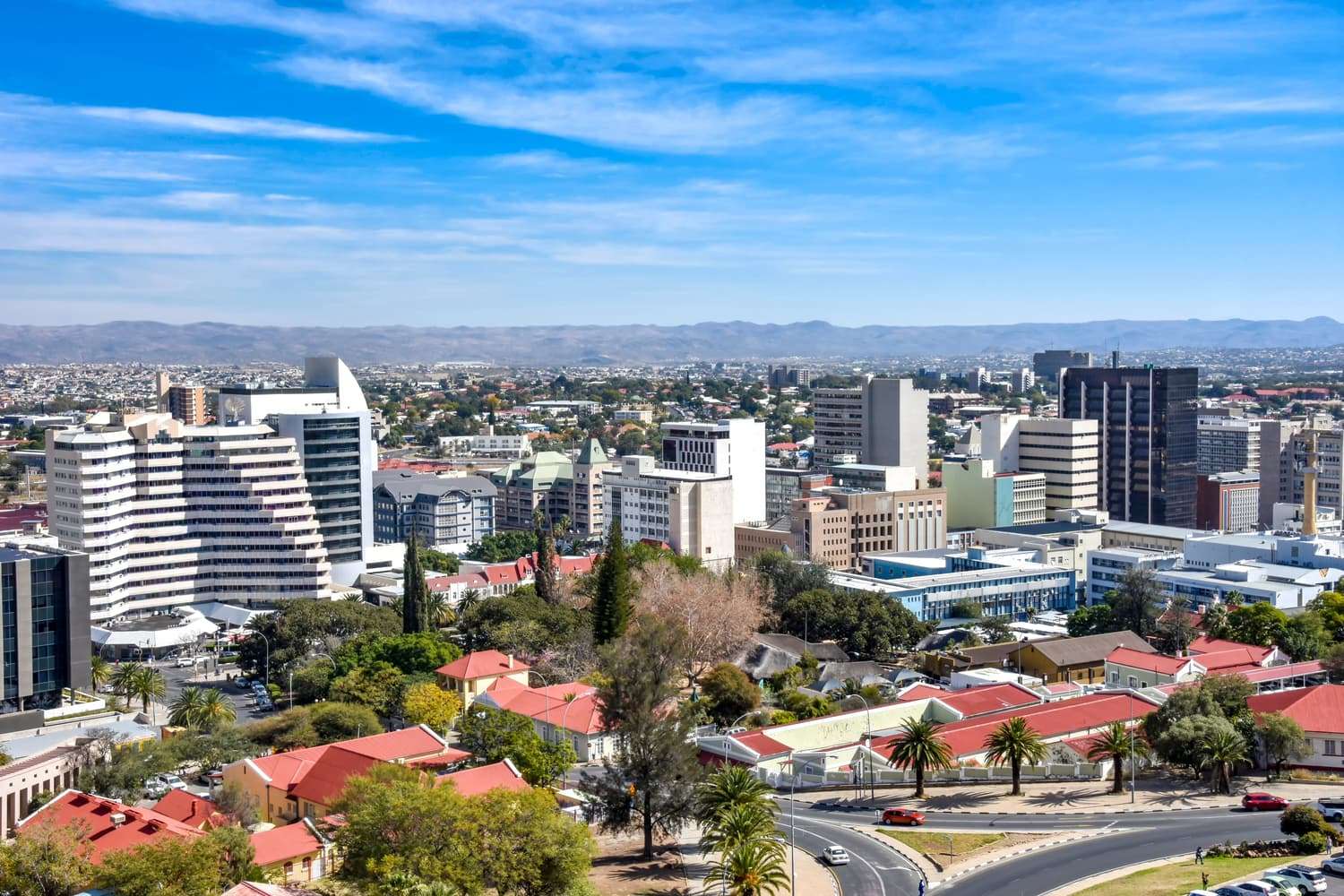
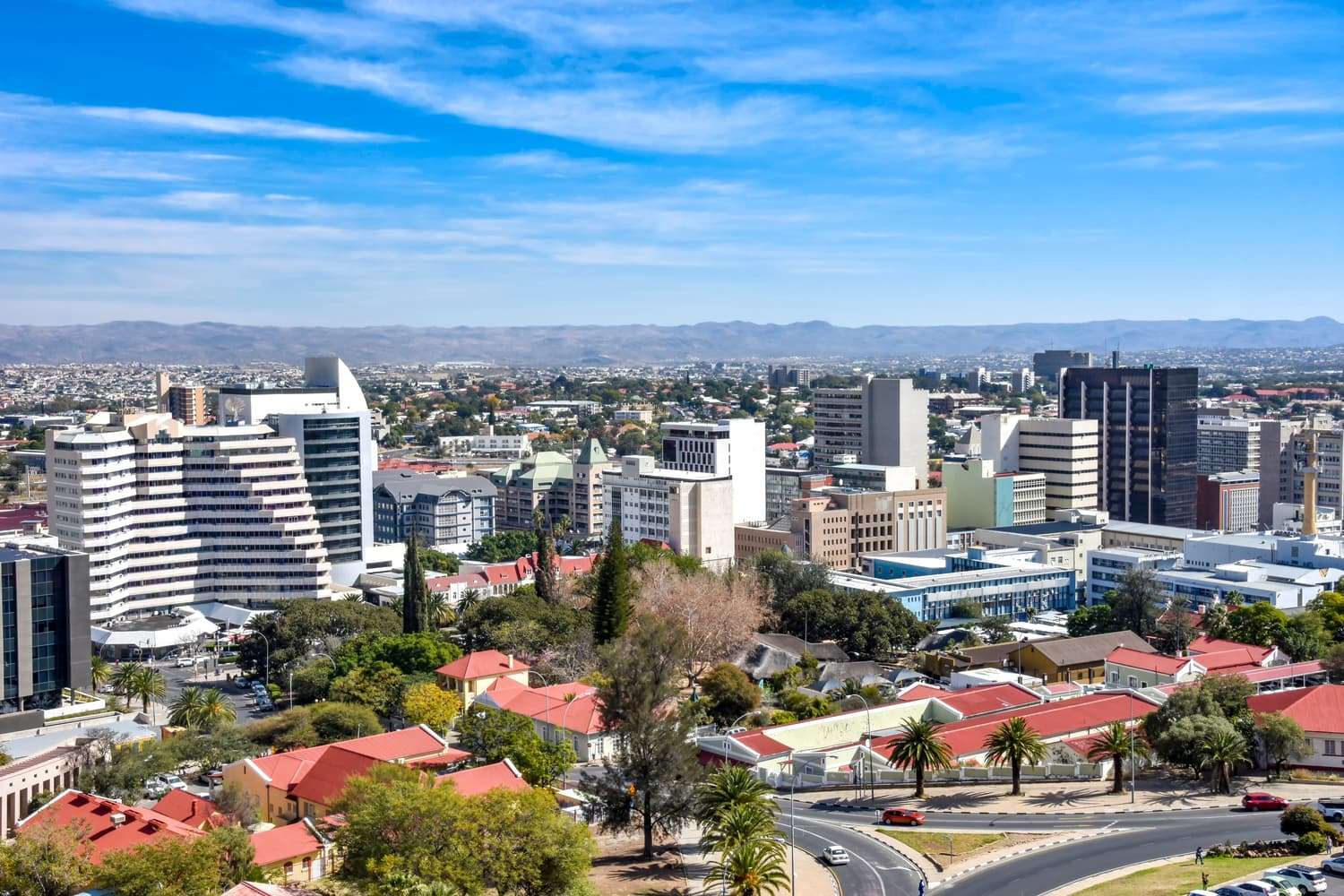
Windhoek ranks among Africa’s cleanest cities thanks to strategic urban planning and proactive sanitation programmes. The city has well-organised recycling initiatives, and its streets, sidewalks, and public spaces are consistently maintained. Civic engagement further ensures that Windhoek remains clean and orderly. This city exemplifies how infrastructure and community culture combine to create sustainable urban hygiene.
5. Tunis, Tunisia
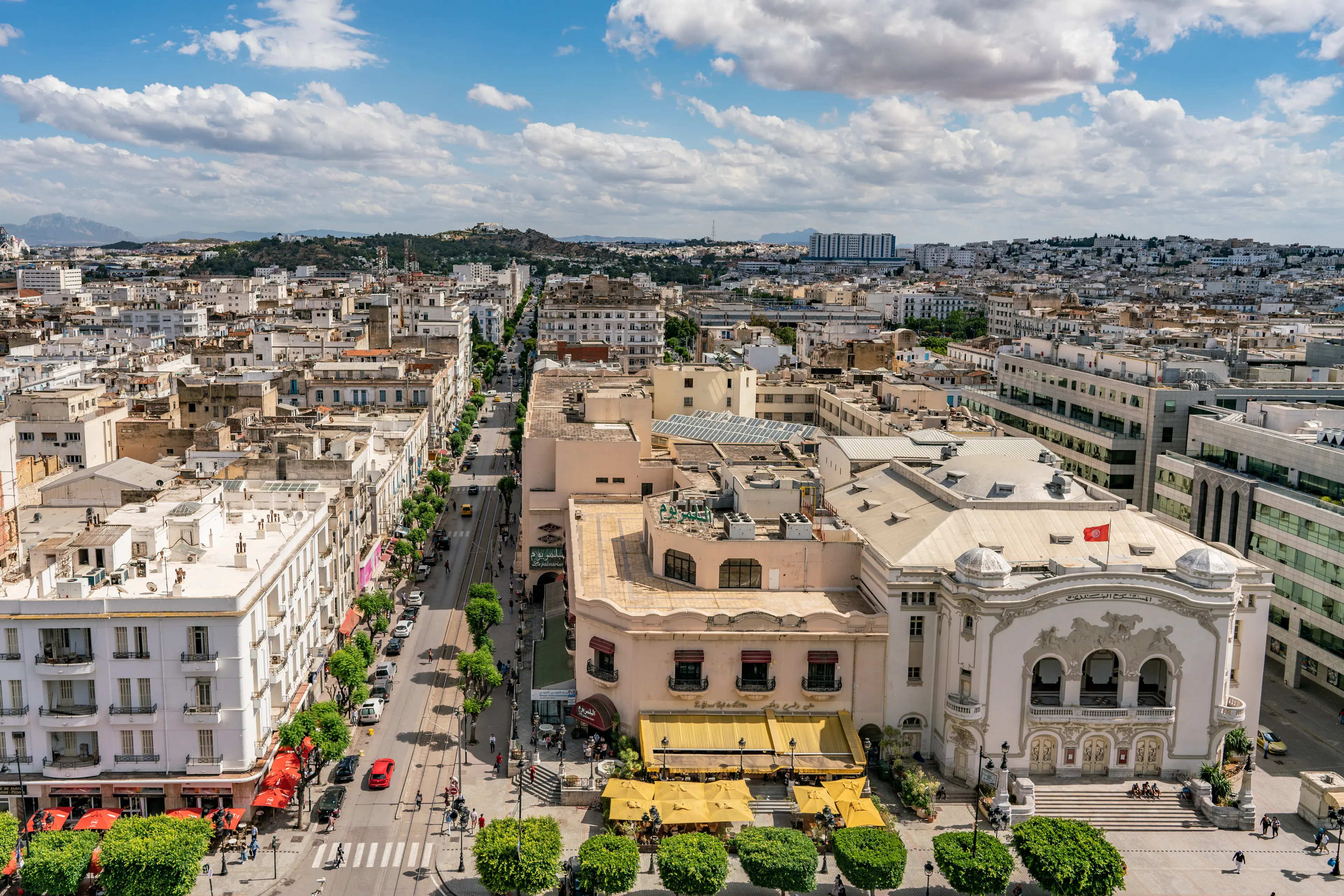
Tunis merges historical heritage with modern cleanliness practices. Wastewater management systems, clean streets, and well-maintained parks characterize the city. Municipal regulations discourage littering and promote environmental responsibility. Tunis demonstrates that a city can preserve its historical appeal while maintaining high standards of sanitation.
6. Cape Town, South Africa
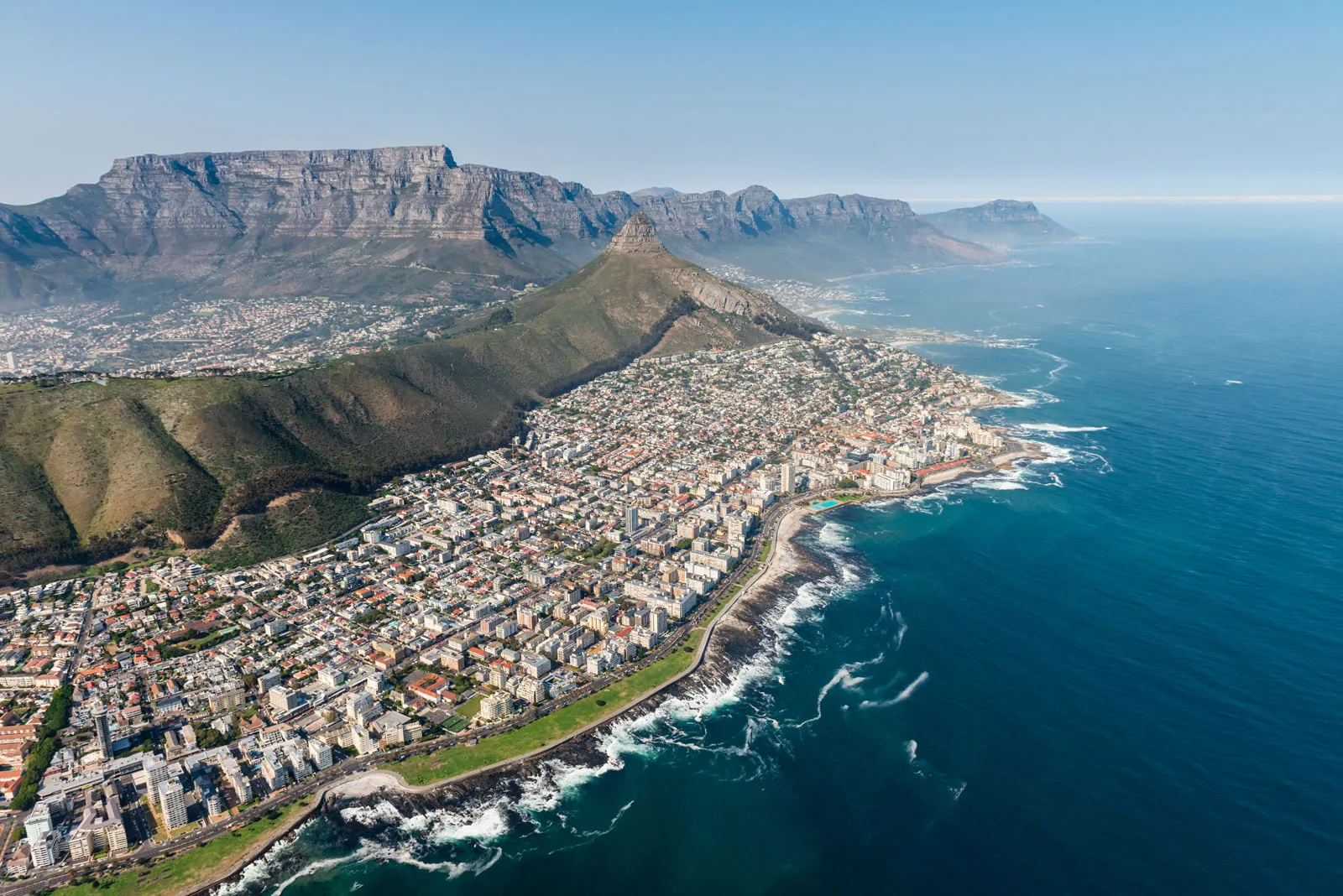
Cape Town is celebrated for its natural landscapes and organised urban environment. Structured waste management, street cleaning, and well-kept parks contribute to its reputation as a clean city. Tourism-driven sanitation policies ensure that public areas remain attractive, enhancing both liveability and economic appeal. Cape Town showcases the synergy between urban planning, environmental stewardship, and community responsibility.
7. Johannesburg, South Africa
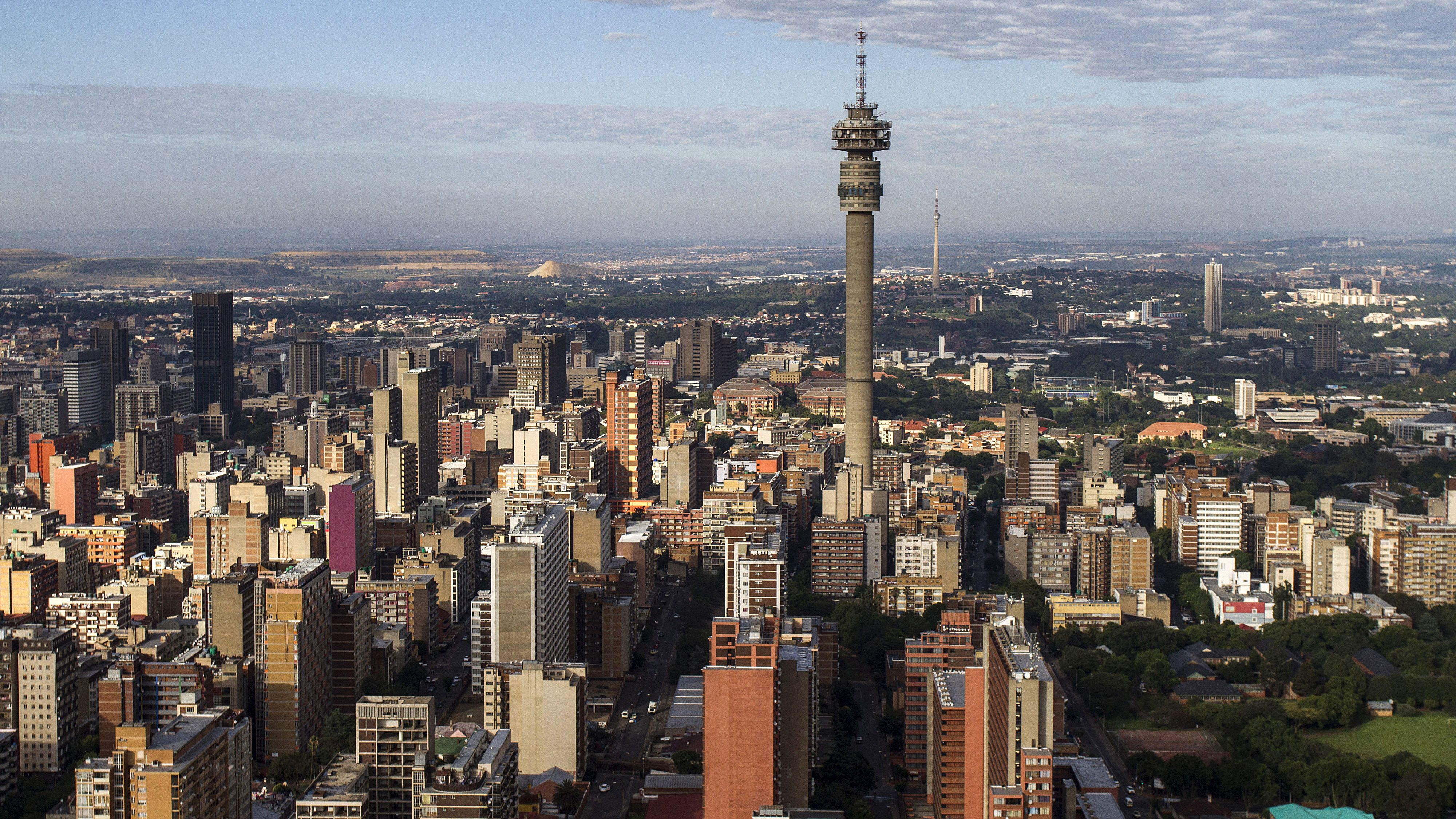
Despite being a sprawling urban centre, Johannesburg maintains cleanliness in key areas through municipal cleaning programmes, green initiatives, and public space maintenance. Recycling programmes complement waste collection, ensuring that even a large metropolis can uphold cleanliness standards. Johannesburg illustrates that megacities can achieve sustainable sanitation with consistent policy enforcement and civic participation.
READ MORE: 10 countries that spend the most on weddings
8. Nairobi, Kenya
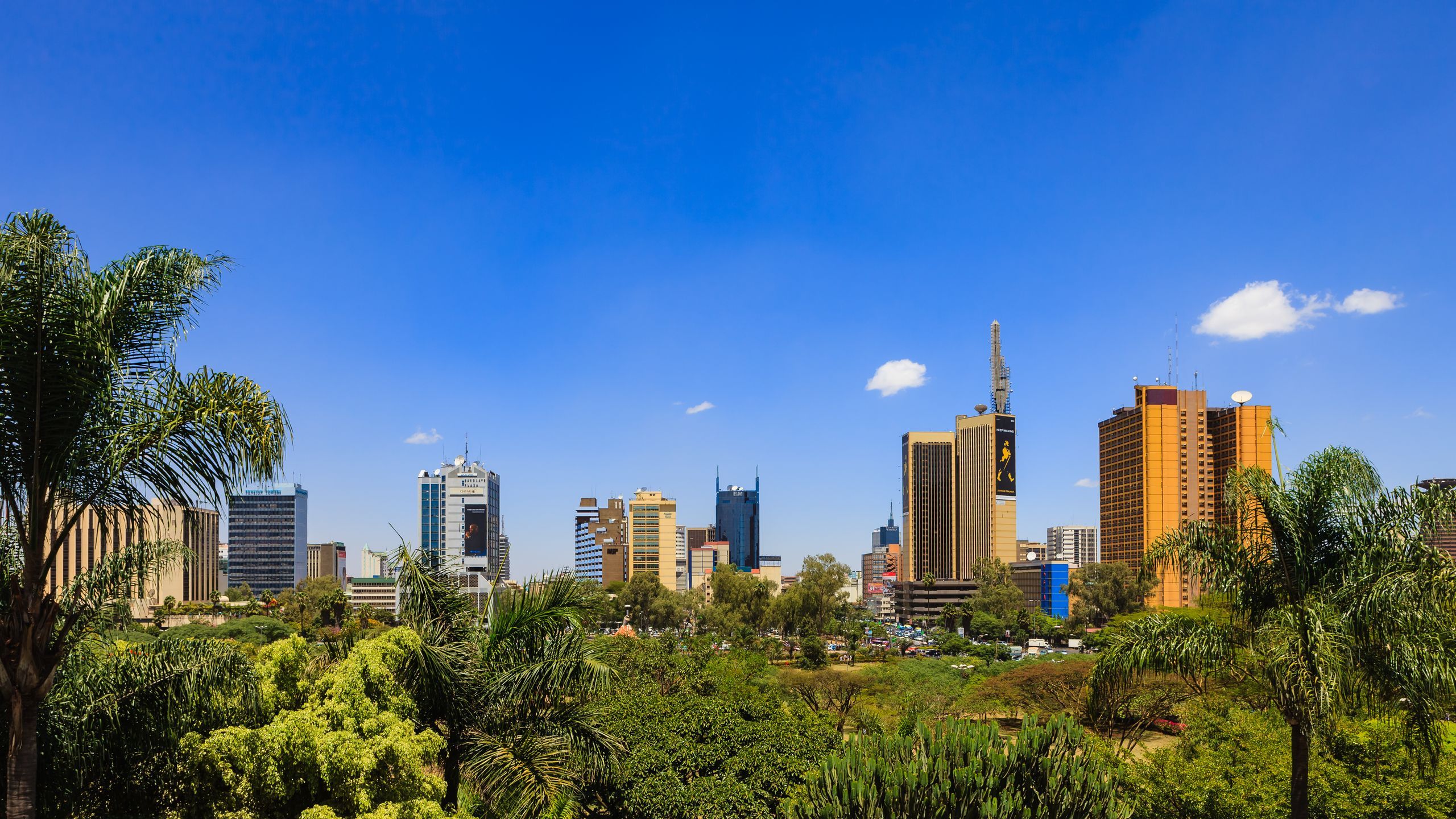
Nairobi faces challenges from fast urban growth, yet several areas demonstrate visible cleanliness. Targeted waste management in business districts and tourist zones, coupled with green spaces and public awareness campaigns, ensures orderly streets. Nairobi highlights that rapid population growth does not preclude effective sanitation when governance and citizen involvement align.
9. Dar es Salaam, Tanzania
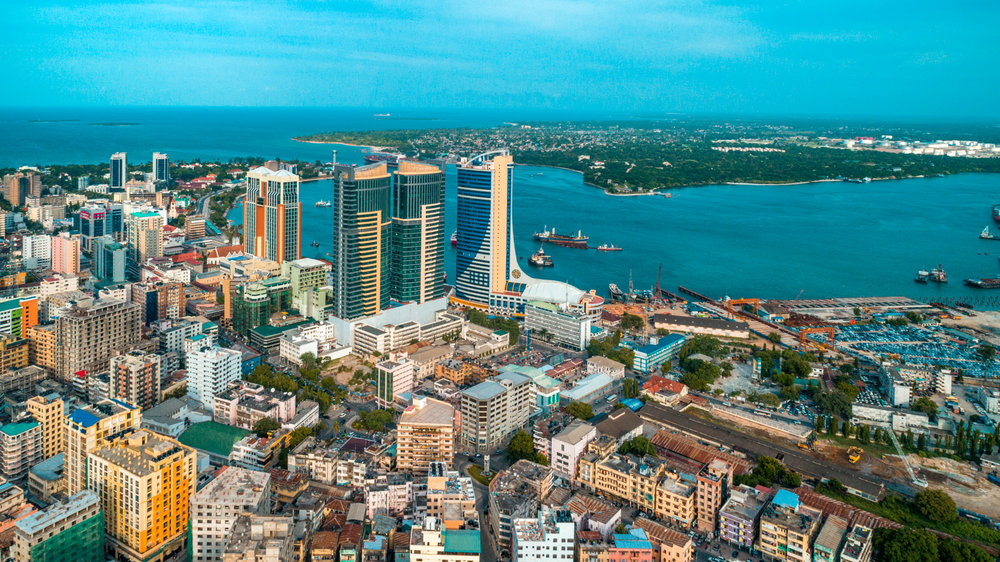
Dar es Salaam, Tanzania’s largest city, has emerged as one of the cleanest cities in Africa, showcasing a remarkable urban transformation. Until a few years ago, the city faced typical waste management challenges, including littered streets, clogged drainage systems, and informal dumping.
The turning point came with the World Bank-supported Dar es Salaam Metropolitan Development Project, which modernised solid waste management across the city. This initiative improved garbage collection, proper disposal, and community participation in maintaining public cleanliness.
10. Accra, Ghana
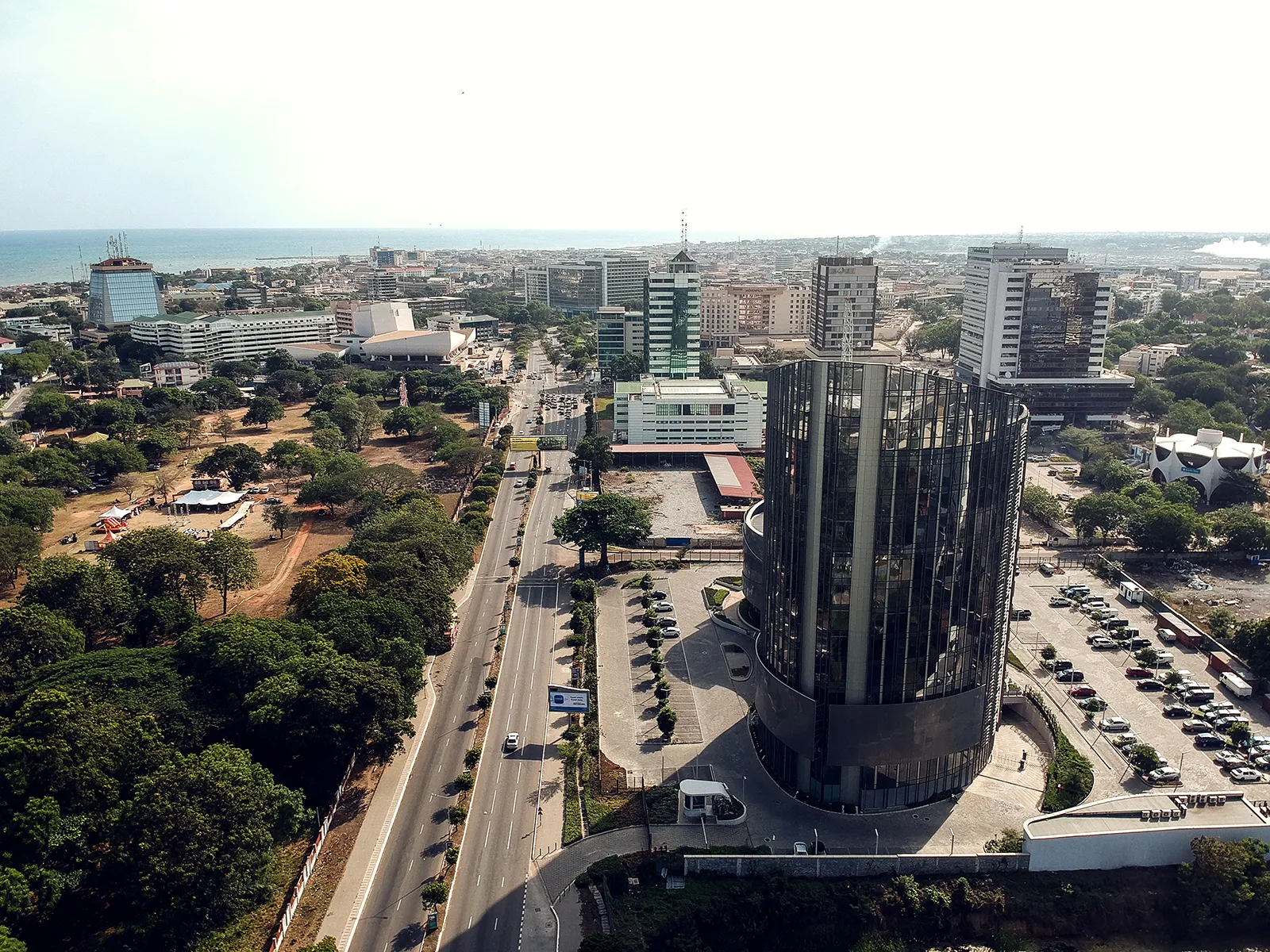
Accra has made remarkable progress in improving urban cleanliness and sustainability. Government-led clean-up campaigns, coastal sanitation projects, and beautification efforts reduce litter and enhance public spaces. Waste management reforms and recycling initiatives further support cleanliness. Accra’s example proves that even rapidly growing West African capitals can achieve cleaner, more sustainable urban environments.
Edem Kwame
Edem Kwame is a journalist at GH News Media covering lifestyle and national developments in Ghana.