GOIL, Star Oil lock horns in early March fuel price window
Competition in Ghana’s downstream petroleum sector is intensifying at the beginning of the second March pricing window, which commenced on March 16.
Oil Marketing Companies (OMCs) have begun adjusting pump prices in response to evolving regulatory directives and fluctuations in global crude oil markets.
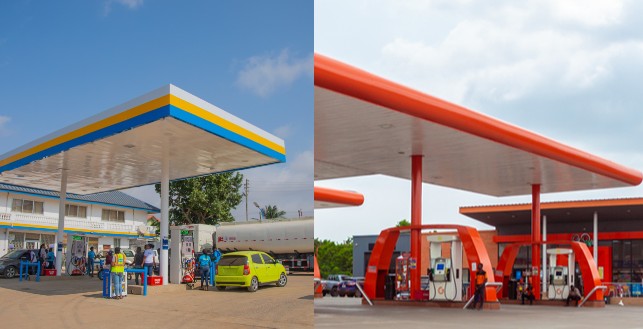
State-owned GOIL PLC initially maintained prices at the minimum levels set for the window, selling petrol at GH¢11.57 per litre and diesel at GH¢14.35 over the weekend and at the start of the pricing period.
This positioning placed GOIL below market leader Star Oil, which had implemented upward price adjustments in line with rising international oil prices, largely influenced by geopolitical tensions in the Middle East.
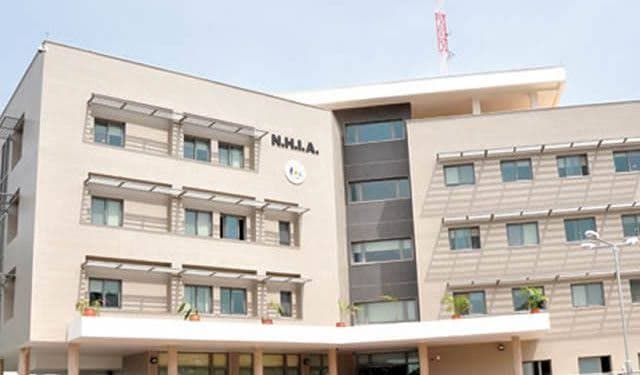
READ MORE: NHIA pays GH¢281.66m claims to health facilities
At the beginning of the window, Star Oil priced petrol at GH¢12.49 per litre, diesel at GH¢15.99, and RON 95 at GH¢13.59.
However, market dynamics shifted within days. By March 17, GOIL revised its prices upward, with petrol selling at GH¢12.40, diesel at GH¢15.69, and Super XP 95 at GH¢14.35.
In response, Star Oil adjusted its prices downward at several outlets, reducing petrol to GH¢12.29 per litre and diesel to GH¢14.99, while maintaining RON 95 at GH¢13.59. This repositioning placed Star Oil below GOIL on key fuel products.
The rapid adjustments reflect early-stage competition among OMCs operating under the revised regulatory framework. Industry observers expect additional price reviews in the coming days as companies seek to safeguard market share in an increasingly competitive environment.
READ MORE: Kylian Mbappe believes 2026 could be his year to win the Ballon d'Or
The current pricing window coincides with the enforcement of updated petroleum pricing guidelines by the National Petroleum Authority.
The new regulations effectively prohibit the fuel discounting practices previously employed by some OMCs and LPG Marketing Companies (LPGMCs) at selected retail outlets.
Under the revised framework, all OMCs and LPGMCs are required to maintain uniform pricing across their retail networks, with non-compliance attracting regulatory sanctions.
The policy shift is expected to significantly influence competitive strategies within Ghana’s downstream petroleum industry.
Edem Kwame
Chief Editor
Edem Kwame is a staff journalist at GH News Media, where he covers sports, politics, news and current affairs with a sharp focus on Ghanaian and African football.