
Zimbabwean MPs pass bill to extend 83-year-old President Mnangagwa's time in power
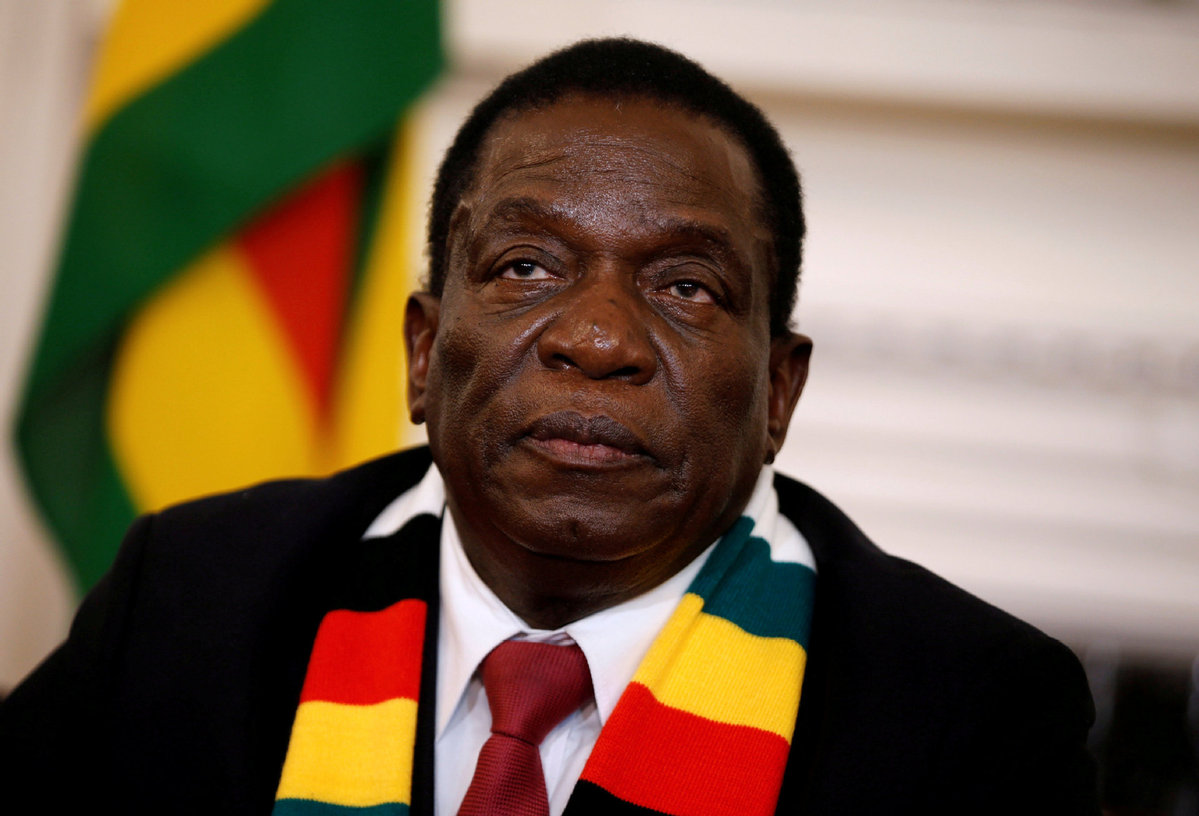
Zimbabwe's lower house of parliament has approved a controversial constitutional amendment that could allow President Emmerson Mnangagwa to remain in office until 2030, extending his tenure beyond the current limit.
The proposed legislation, passed on Thursday, received overwhelming support from lawmakers, with 216 members voting in favour and 42 opposing it. The vote comfortably exceeded the two-thirds majority required to amend the constitution.
The bill proposes several significant changes to Zimbabwe's political system, including extending presidential and parliamentary terms from five to seven years and postponing the next general elections from 2028 to 2030.
Another major provision would abolish direct presidential elections, allowing future heads of state to be elected by parliament instead of the general public.
Mnangagwa, 83, came to power in 2017 after the military-backed removal of former president Robert Mugabe. He later secured victories in the 2018 and 2023 elections, both of which were disputed by opposition parties.
If approved by the Senate and signed into law, the constitutional changes would allow Mnangagwa to remain in office until 2030, despite his current and constitutionally final term being due to end in 2028.
The amendment represents the culmination of a long-running campaign by the ruling Zanu-PF party, which has governed Zimbabwe since the country's independence in 1980. The government's cabinet endorsed the proposal earlier this year.
The legislation now moves to the Senate, where it is widely expected to gain approval before being sent to President Mnangagwa for assent.
READ MORE: GES 2026 Promotion Applications: Full list of positions and how to apply
Opposition parties, legal experts and civil society organisations have strongly criticised the proposed changes, arguing that such fundamental constitutional reforms should be decided through a national referendum rather than parliamentary approval alone.
Critics also point to Zimbabwe's 2013 Constitution, which introduced a two-term presidential limit and stipulated that any extension of term limits should be approved by voters through a referendum. The constitution further states that a sitting president cannot personally benefit from such changes without public endorsement.
Despite these concerns, Zimbabwe's Constitutional Court dismissed a legal challenge seeking to halt the bill on Wednesday, clearing the way for lawmakers to proceed with the vote.
The proposed reforms have reignited debate about Zimbabwe's democratic future. Supporters argue that the changes will provide political stability and continuity, while opponents warn they could weaken democratic accountability and further concentrate power in the presidency.
The bill's passage marks a significant moment in Zimbabwean politics and could reshape the country's governance structure for years to come.

Edem Kwame
Chief Editor
Edem Kwame is a staff journalist at GH News Media, where he covers news, sports, politics and current affairs with a sharp focus on Ghanaian and African football.