BoG warns refusing Ghana cedi coins is illegal, offenders risk jail
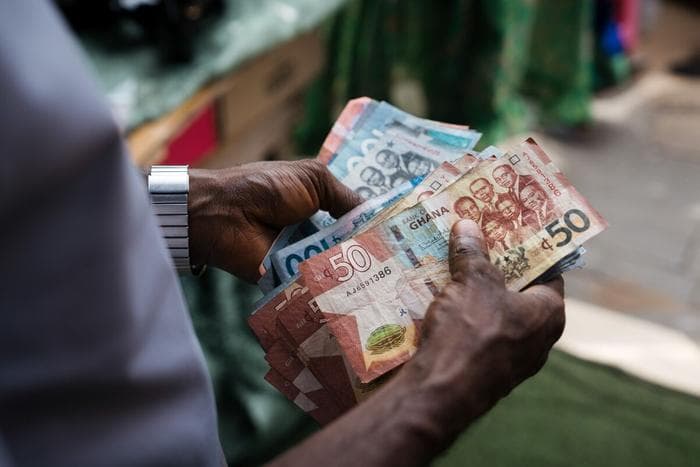
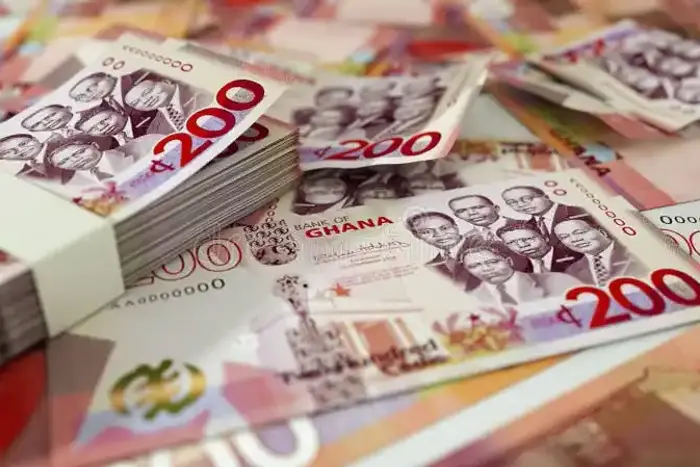
The Bank of Ghana (BoG) has issued a strong warning to traders, transport operators, businesses and the general public, stating that refusing to accept Ghana cedi coins is illegal and could result in criminal prosecution.
In a public notice released on July 22, 2026, the central bank expressed concern over the increasing rejection of 1, 5, 10, 20 and 50 pesewa coins, as well as the GH¢1 and GH¢2 coins, in day-to-day commercial transactions across the country.
All Ghanaian cedi coins remain legal tender.
The Bank of Ghana stressed that all coins currently in circulation remain legal tender and have not been withdrawn or demonetised.
According to the central bank, businesses and individuals have no legal basis to refuse valid coins because they are considered inconvenient, of low value or less practical for everyday transactions.
"All coins issued by the Bank of Ghana, including the pesewa denominations, remain valid legal tender for the settlement of debts and the conduct of transactions throughout Ghana and have not been demonetised or withdrawn from circulation."
The BoG further stated that no trader, transport operator, business or individual has the authority to reject valid coins when customers use them to pay for goods or services.
Refusing valid coins is a criminal offence.
The central bank reminded the public that Ghana's Currency Act makes it an offence to refuse to sell goods or provide services simply because a customer chooses to pay with valid coins or banknotes.
Anyone found guilty could face:
READ MORE: Ghana Cedi to Dollar, Pound and Euro Exchange Rates Today – September 2
A fine.
Up to three years' imprisonment.
Or both a fine and imprisonment.
The Bank also warned that anyone who encourages or instructs others to reject legal tender could equally be held criminally liable.
BoG to enforce compliance with police support
To ensure compliance, the Bank of Ghana said it will collaborate with the Ghana Police Service and other law enforcement agencies to enforce the law.
It noted that offenders may be arrested without a warrant, where necessary, under the relevant legal provisions.
Why accepting cedi coins matters
The BoG explained that the rejection of lower-denomination coins could have serious consequences for Ghana's economy and payment system.
According to the central bank, refusing to accept valid coins can:
READ MORE: Bank of Ghana warns Ghanaians against ‘Daily Wealth Guide’ crypto investment scam
Disrupt cash transactions, especially in the informal sector.
Encourage traders to round up prices.
Reduce the practical use of lower-value denominations.
Increase the cost of small everyday purchases.
Undermine public confidence in Ghana's currency.
The central bank noted that these challenges are likely to affect low-income earners the most, as they depend heavily on cash transactions for daily purchases.
By ensuring that every denomination of the cedi remains widely accepted, the BoG aims to preserve the efficiency, credibility and smooth functioning of Ghana's payment system.
Public urged to report offenders
The Bank of Ghana has encouraged members of the public to report any trader, transport operator or business that refuses to accept valid Ghana cedi coins.
Reports can be made through the Bank of Ghana's offices, its official communication channels or the Ghana Police Service for further investigation and enforcement.
Edem Kwame
Chief Editor
Edem Kwame is a staff journalist at GH News Media, where he covers sports, politics, news and current affairs with a sharp focus on Ghanaian and African football.