Fuel prices to rise from August 1 as cedi weakens, petrol, diesel and LPG increase
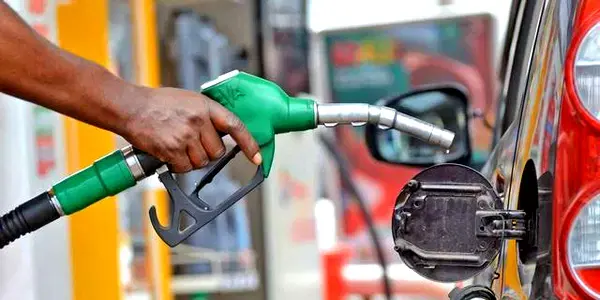
Motorists and households across Ghana should prepare to pay more for fuel from Friday, August 1, 2026, as projected increases in petrol, diesel and Liquefied Petroleum Gas (LPG) prices take effect during the latest pricing window.
The anticipated price hikes are being driven by rising global crude oil prices and the continued depreciation of the Ghana cedi against the US dollar, according to the Chamber of Oil Marketing Companies (COMAC).
Petrol, Diesel and LPG Prices Expected to Increase
COMAC's pricing outlook for the August 1 to August 15, 2026, pricing window projects significant increases across all major petroleum products.
Petrol is expected to rise by 7.58%, pushing the average pump price to approximately GH¢15.23 per litre.
Diesel is projected to record the steepest increase, climbing 12.50% to around GH¢17.45 per litre.
Liquefied Petroleum Gas (LPG) is also forecast to increase by 4.13%, with prices expected to average GH¢16.40 per kilogram.
However, industry observers say some motorists may experience smaller increases because several Oil Marketing Companies (OMCs) have already adjusted their pump prices in recent weeks.
NPA Announces New Fuel Price Floors
Ahead of the new pricing cycle, the National Petroleum Authority (NPA) has revised the minimum price thresholds for petroleum products.
The new approved price floors are:
READ MORE: Ghana Cedi to Dollar Rate: BoG Rate for September 10
Petrol: GH¢14.53 per litre (up from GH¢13.28)
Diesel: GH¢16.97 per litre (up from GH¢14.35)
LPG: GH¢11.06 per kilogram
The regulator has directed all Oil Marketing Companies (OMCs) and LPG Marketing Companies (LPGMCs) not to sell fuel below the approved minimum prices.
The revised benchmark is intended to ensure fair competition while maintaining market stability within Ghana's downstream petroleum sector.
Why Fuel Prices Are Increasing
COMAC attributed the projected fuel price increases to a combination of rising international oil prices and the weakening performance of the Ghana cedi.
According to the Chamber, average global crude oil prices surged by 23.25% during the review period, while refined petroleum products also recorded notable increases.
Diesel prices increased by 24.84%.
Petrol prices rose by 12.58%.
READ MORE: Bank of Ghana lists 20 unlicensed loan apps – see full list
LPG prices climbed by 12.24%.
Average crude oil prices increased from US$71.90 to US$88.62 per barrel, driven largely by escalating geopolitical tensions in the Middle East.
COMAC cited developments surrounding the US-Iran conflict, continued uncertainty over the Strait of Hormuz, renewed attacks on oil tankers and ongoing shipping restrictions as key factors keeping global oil prices elevated.
Weak Cedi Adds Pressure to Fuel Imports
The Chamber also highlighted the depreciation of the Ghana cedi as a major contributor to higher fuel prices.
For the August 1 pricing window, the exchange rate weakened from GH¢11.4970 to GH¢11.6593 per US dollar, representing a 1.41% depreciation.
The weaker cedi has increased the cost of importing refined petroleum products, adding further pressure to pump prices across the country.
What Consumers Should Expect
With the latest pricing adjustments expected to take effect from Friday, August 1, motorists, businesses and households are likely to experience higher transportation and energy costs.
The increases are expected to affect commuting expenses, commercial transport fares and the cost of goods and services, as fuel prices remain a key driver of inflation in Ghana.

Edem Kwame
Chief Editor
Edem Kwame is a staff journalist at GH News Media, where he covers news, sports, politics and current affairs with a sharp focus on Ghanaian and African football.