Top 10 most corrupt countries in the world
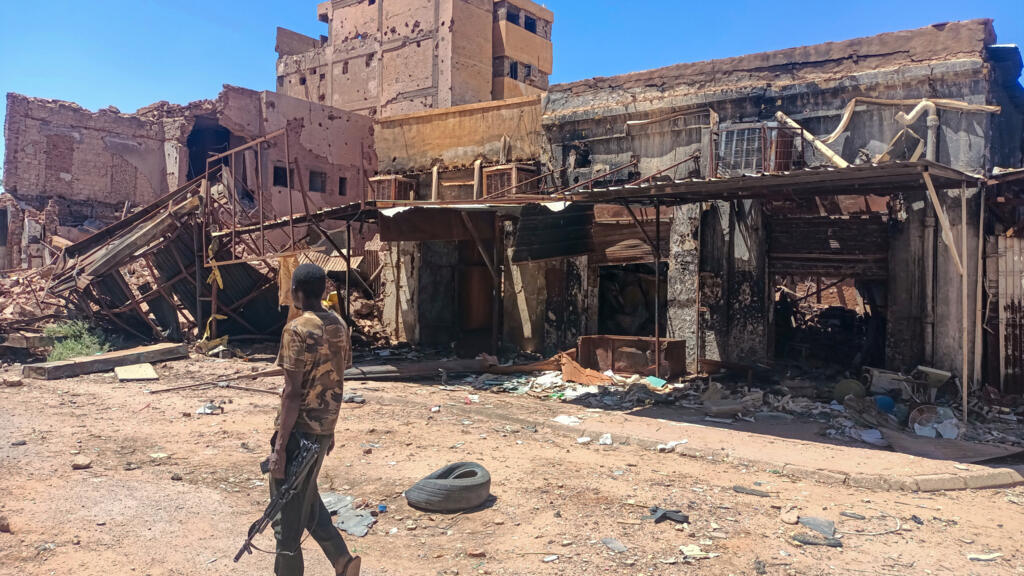
Corruption is worsening around the world, and the latest data proves it. Transparency International's 2025 Corruption Perceptions Index (CPI), released in February 2026, shows the global average score has dropped for the first time in more than a decade to just 42 out of 100. Of the 182 countries and territories assessed, 122 score below 50, signalling widespread public sector corruption across the globe.
The CPI, published annually by Transparency International, ranks nations on a scale of 0 (highly corrupt) to 100 (very clean), drawing on assessments from experts and business leaders covering bribery, embezzlement, and the abuse of public office for private gain. Below is a look at the ten lowest-scoring countries on the 2025 index—the nations perceived as the most corrupt in the world today.
1. South Sudan — Score: 9
South Sudan sits at the very bottom of the global rankings, tied with Somalia for the lowest score on the index. Weak state institutions, years of civil conflict, and chronic mismanagement of public funds have left the country trapped at the foot of the CPI for several consecutive years.
2. Somalia — Score: 9
Somalia shares the unwanted title of the world's most corrupt nation alongside South Sudan. Decades of conflict, an absence of a fully functional federal government, and fragmented security structures have made it nearly impossible to build the institutional oversight needed to curb corruption.
3. Venezuela — Score: 10
Venezuela ranks third, its economy long strained by political instability, hyperinflation, and allegations of large-scale embezzlement within state institutions, particularly around its oil sector.
4. Yemen — Score: 13
Yemen's prolonged civil war has hollowed out state capacity, leaving public institutions vulnerable to exploitation and diversion of resources meant for humanitarian relief and reconstruction.
READ MORE: Ghana Cedi to Dollar Rate: BoG Rate for September 10
5. Libya — Score: 13
Libya remains fractured by rival governments and armed factions competing for control of state revenue, particularly oil income, a divide that has entrenched corruption at nearly every level of governance.
6. Eritrea — Score: 13
Eritrea's tightly controlled, single-party political system leaves little room for independent oversight, a free press, or civil society scrutiny, conditions that consistently keep it near the bottom of global transparency rankings.
7. Nicaragua — Score: 14
Nicaragua has seen a marked erosion of judicial independence and press freedom in recent years, both of which Transparency International links directly to declining anti-corruption performance worldwide.
8. Sudan — Score: 14
Sudan's score reflects the lingering effects of decades of authoritarian rule, patronage networks, and embezzlement of natural resource wealth, compounded more recently by armed conflict that has further weakened state institutions.
9. Syria — Score: 15
Years of civil war and fragmented territorial control have devastated Syria's public institutions, leaving little capacity for accountability or transparent governance.
READ MORE: Bank of Ghana lists 20 unlicensed loan apps – see full list
10. Equatorial Guinea and North Korea — Score: 15 (joint)
Rounding out the bottom of the index, Equatorial Guinea's oil wealth has long been associated with entrenched elite patronage, while North Korea's closed, centralised political system allows for virtually no independent monitoring or public accountability.
Why the Global Picture Is Getting Worse
This year's findings go beyond the countries at the bottom. Transparency International notes that the number of countries scoring above 80, considered the threshold for very clean governance, has shrunk from 12 a decade ago to just five this year: Denmark, Finland, Singapore, New Zealand, and Norway.
Even long-established democracies are sliding. The global CPI average declined from 43 to 42, marking the lowest global average of the past decade, and the trend spans nations such as the United States, Canada, and New Zealand, as well as parts of Europe including the United Kingdom, France, and Sweden.
Regionally, Sub-Saharan Africa remains the most corrupt region, with an average score of 32, while Western Europe and the European Union remain the least corrupt regions, though their averages have also continued to decline, standing at 64.
Transparency International's Chair, François Valérian, warned that tackling corruption must remain a global priority, framing it as essential to pushing back against authoritarianism and securing a peaceful, free, and sustainable world.
The Bigger Picture
The report also links corruption directly to weakened civic freedoms. Transparency International found that 36 of the 50 countries with significant CPI declines since 2012 have also experienced a reduction in civic space, reinforcing the idea that press freedom, judicial independence, and public accountability rise and fall together.
As the report's authors put it, the consequences are not abstract: corruption drains resources away from hospitals, infrastructure, and public services that citizens depend on every day.

Edem Kwame
Chief Editor
Edem Kwame is a staff journalist at GH News Media, where he covers news, sports, politics and current affairs with a sharp focus on Ghanaian and African football.