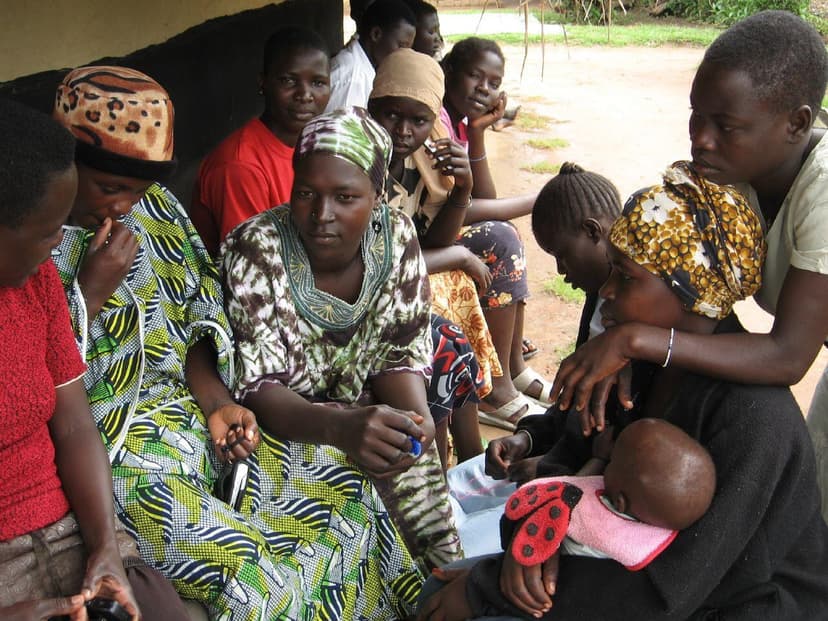
How much does it cost to live comfortably in Ghana in 2026?
Every Ghanaian has asked this question at least once — usually at the end of the month when the money is gone but the bills are not. The cost of living in Ghana in 2026 has changed significantly, and what felt comfortable three years ago now feels like a stretch. Whether you are a young professional in Accra, a family in Kumasi, or a Ghanaian in the diaspora planning to return home, this guide gives you the real numbers — in cedis — no guesswork.
What "Comfortable Living" Means in Ghana in 2026
For this guide, comfortable living means: a decent apartment in a safe neighbourhood, three meals a day, reliable transport, electricity, water, internet, basic healthcare, and a small amount of savings each month. Not luxury. Not poverty. Just a dignified, stable middle-class life.
Here is what that costs right now.
1. Housing — The Biggest Cost in Ghana
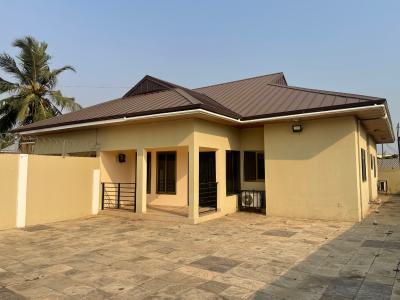
Rent is the single heaviest item in any Ghanaian household budget — and it is not just the monthly amount that hurts. Ghana's rental market runs almost entirely on advance payments of one to two years upfront. A room costing GH₵ 700 per month can demand over GH₵ 16,000 before you move in. That financial mountain shapes everything else in your budget.
Current rent prices in Accra (2026):
Property Type | Budget Areas (Madina, Adenta) | Mid-Range (Spintex, Tema) | Upscale (East Legon, Cantonments) |
|---|---|---|---|
Single room / Studio | GH₵ 800 – 1,500 | GH₵ 1,500 – 3,000 | GH₵ 4,000 – 8,000 |
1-Bedroom | GH₵ 1,200 – 2,500 | GH₵ 2,500 – 4,500 | GH₵ 5,000 – 16,500 |
2-Bedroom | GH₵ 2,000 – 4,000 | GH₵ 4,000 – 7,000 | GH₵ 8,000 – 20,000+ |
Accra rents rose approximately 7% year-on-year in 2026. Kumasi remains 40–50% cheaper than Accra for similar properties — a significant advantage for those who can live outside the capital.
For comfortable mid-range living in Accra, budget GH₵ 2,500 – 4,500/month for a one-bedroom apartment.
2. Food — Where Ghana Still Wins
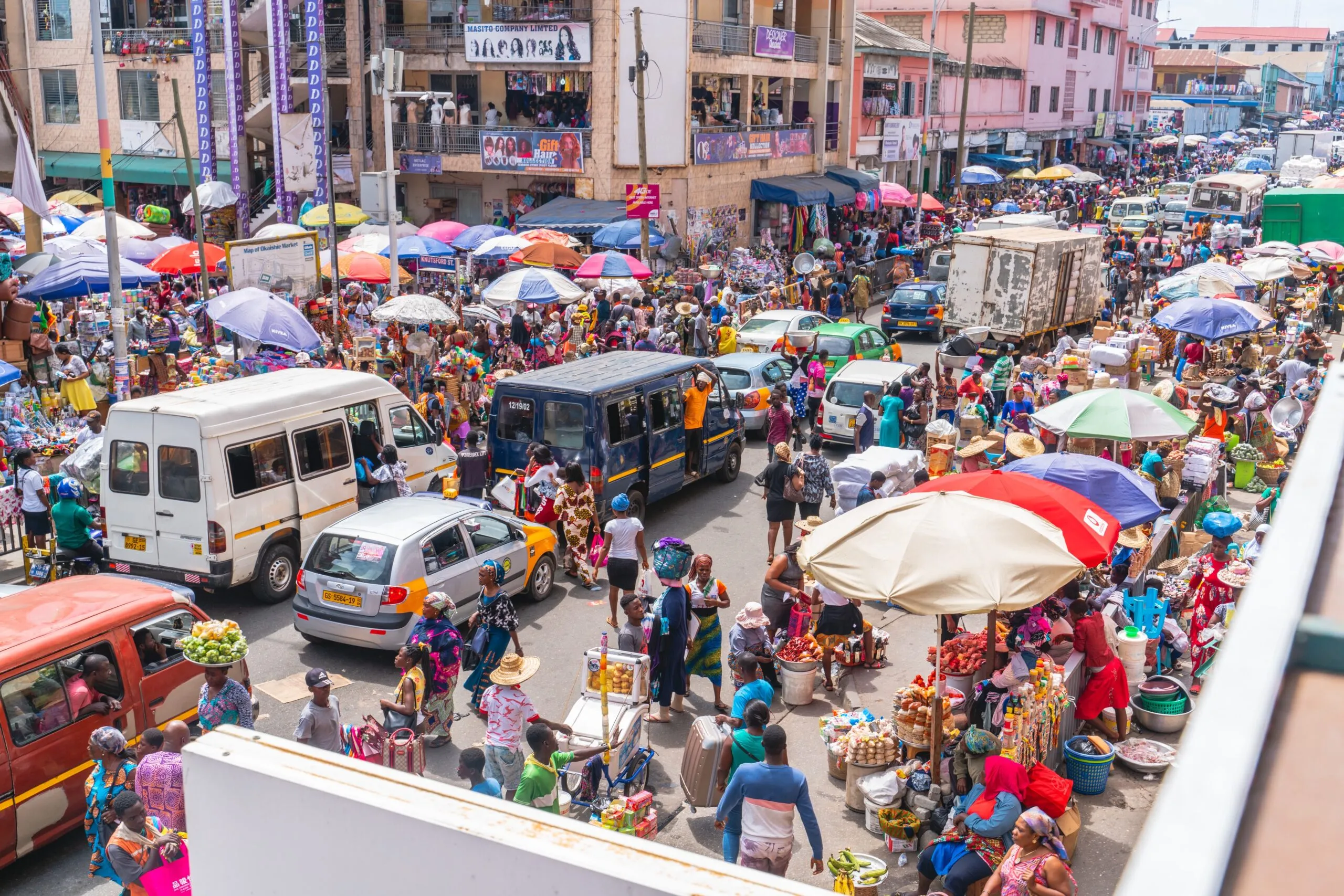
Food is where Ghana's cost of living becomes genuinely manageable — if you eat local. The gap between shopping at a Ghanaian market and shopping for imported goods is enormous.
Monthly food costs (home cooking, local market):
Single person: GH₵ 700 – 1,200/month
Family of four: GH₵ 1,800 – 3,000/month
Quick price reference (April/May 2026):
Food Item | Price |
|---|---|
Bag of rice (25kg) | GH₵ 200 – 280 |
Cooking oil (5 litres) | GH₵ 130 – 160 |
Eggs (crate of 30) READ MORE: Top 10 Richest Kings in the World in 2026 – Full Ranking | GH₵ 80 – 110 |
Fresh tilapia (1kg) | GH₵ 80 – 120 |
Chop bar meal (rice + stew + protein) | GH₵ 30 – 60 |
Waakye (street vendor) | GH₵ 15 – 30 |
Mid-range restaurant meal | GH₵ 150 – 350 |
Most middle-class Ghanaians cook at home most days and eat out two or three times a week. That combination lands at roughly GH₵ 1,000 – 2,000/month per person including occasional eating out.
3. Transport — Getting Around in 2026
How much you spend on transport depends heavily on where you live versus where you work. In Accra, traffic is a real cost — both financially and in time.
Transport Mode | Typical Monthly Cost |
|---|---|
Trotro (daily commute) | GH₵ 200 – 400 |
Uber / Bolt (regular use) | GH₵ 1,500 – 3,000 |
Private car (fuel only) | GH₵ 600 – 1,200 |
For comfortable living without a car, most Ghanaians take trotro for daily commuting and use Uber or Bolt occasionally. Realistic monthly transport budget: GH₵ 400 – 800.
4. Utilities — Electricity, Water and Internet
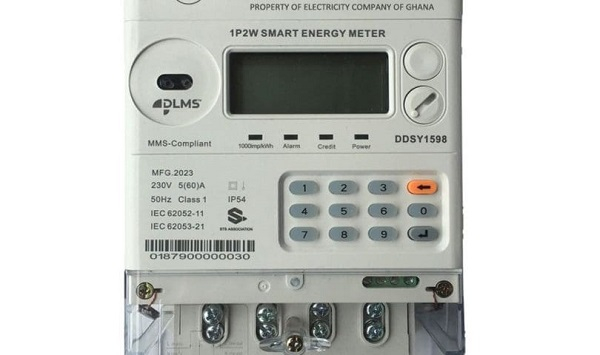
Ghana's January 2026 tariff adjustments pushed electricity up by approximately 10% and water by 16%. Dumsor (power outages) also creates hidden costs through candles, generator fuel, and power bank top-ups.
Utility | Monthly Cost |
|---|---|
ECG electricity (no AC) | GH₵ 80 – 250 |
ECG electricity (with AC) | GH₵ 500 – 1,500 |
Ghana Water Company | GH₵ 50 – 150 |
Mobile data | GH₵ 50 – 150 |
Home broadband / WiFi | GH₵ 200 – 600 |
Comfortable utilities budget: GH₵ 500 – 1,000/month for a modest household without air conditioning.
5. Other Monthly Costs to Budget For
Expense | Monthly Estimate |
|---|---|
Healthcare (NHIS + occasional private) | GH₵ 100 – 400 |
Airtime and DStv/streaming | GH₵ 150 – 450 |
Clothing and personal care | GH₵ 200 – 500 |
Leisure and entertainment | GH₵ 200 – 500 |
School fees per child (private school) | GH₵ 500 – 2,000 |
The Full Monthly Budget: What Comfortable Actually Costs
Putting it all together, here is what comfortable living costs in Ghana in 2026:
Household Type | Monthly Budget (GH₵) |
|---|---|
Single professional in Accra | GH₵ 5,500 – 9,000 |
Couple (no children) in Accra | GH₵ 8,000 – 13,000 |
Family of four in Accra | GH₵ 13,000 – 22,000 |
Single person in Kumasi | GH₵ 3,000 – 5,500 |
Family of four in Kumasi | GH₵ 7,000 – 12,000 |
Can the Average Ghanaian Salary Cover This?
This is the uncomfortable truth. Ghana's average monthly salary for formal sector workers in urban areas sits at approximately GH₵ 4,000 – 6,000. Compare that to the GH₵ 5,500 – 9,000 needed for comfortable single living in Accra, and the gap is clear.
Prices are still elevated in 2026, even if they are no longer rising as fast — and for everyday Ghanaians, survival mode is still very much the operating system. This is why most middle-class Ghanaian households rely on dual incomes, side hustles, or remittances from family abroad to close the gap.
3 Smart Ways to Stretch Your Budget in Ghana
1. Live in Kumasi, Tema, or Takoradi. Kumasi is approximately 40% cheaper than Accra for comparable housing — the same rent budget buys you significantly more space and comfort.
2. Eat local, always. The monthly difference between eating Ghanaian food and eating imported or restaurant food can be GH₵ 2,000 – 4,000. Waakye, kontomire stew, and banku are nutritious, delicious, and a fraction of the cost.
3. Invest, even GH₵ 100 a month. Ghana's savings account rates have historically lagged far behind inflation — meaning money sitting in a regular bank account loses purchasing power quietly every month. Put any surplus into a money market or treasury fund instead.
Frequently Asked Questions
What salary do you need to live comfortably in Accra in 2026? A single professional needs approximately GH₵ 6,000 – 8,000 per month after tax to live comfortably in Accra with a small savings buffer.
Is Ghana expensive to live in? Ghana is moderately affordable by African standards but ranks as one of the pricier West African cities for urban residents. Accra in particular can be surprisingly costly — especially for rent and imported goods.
Is Kumasi cheaper than Accra? Yes — significantly. Kumasi is typically 40–50% cheaper than Accra for housing, and food and transport costs are also lower.
What is the biggest cost of living in Ghana? Rent — and specifically the requirement to pay one to two years upfront — is by far the heaviest financial burden for most urban Ghanaians in 2026.
Final Word
Living comfortably in Ghana in 2026 is absolutely achievable — but only with realistic planning and smart choices. The rent advance system is the biggest shock for most people; plan for it first, and everything else becomes manageable. Outside Accra, the numbers improve considerably. And wherever you live, eating local and investing even small amounts consistently are the two habits that separate those who thrive from those who just survive.

Edem Kwame
Chief Editor
Edem Kwame is a staff journalist at GH News Media, where he covers news, sports, politics and current affairs with a sharp focus on Ghanaian and African football.