Top 10 countries with a Royal Family in 2026
Monarchies may feel like relics of the past, but ten royal families in particular continue to command global attention in 2026, whether through ceremonial duty, cultural influence, or genuine political power. Of the 43 sovereign states worldwide still headed by a monarch, these ten stand out as the most prominent and widely recognised.
1. The United Kingdom
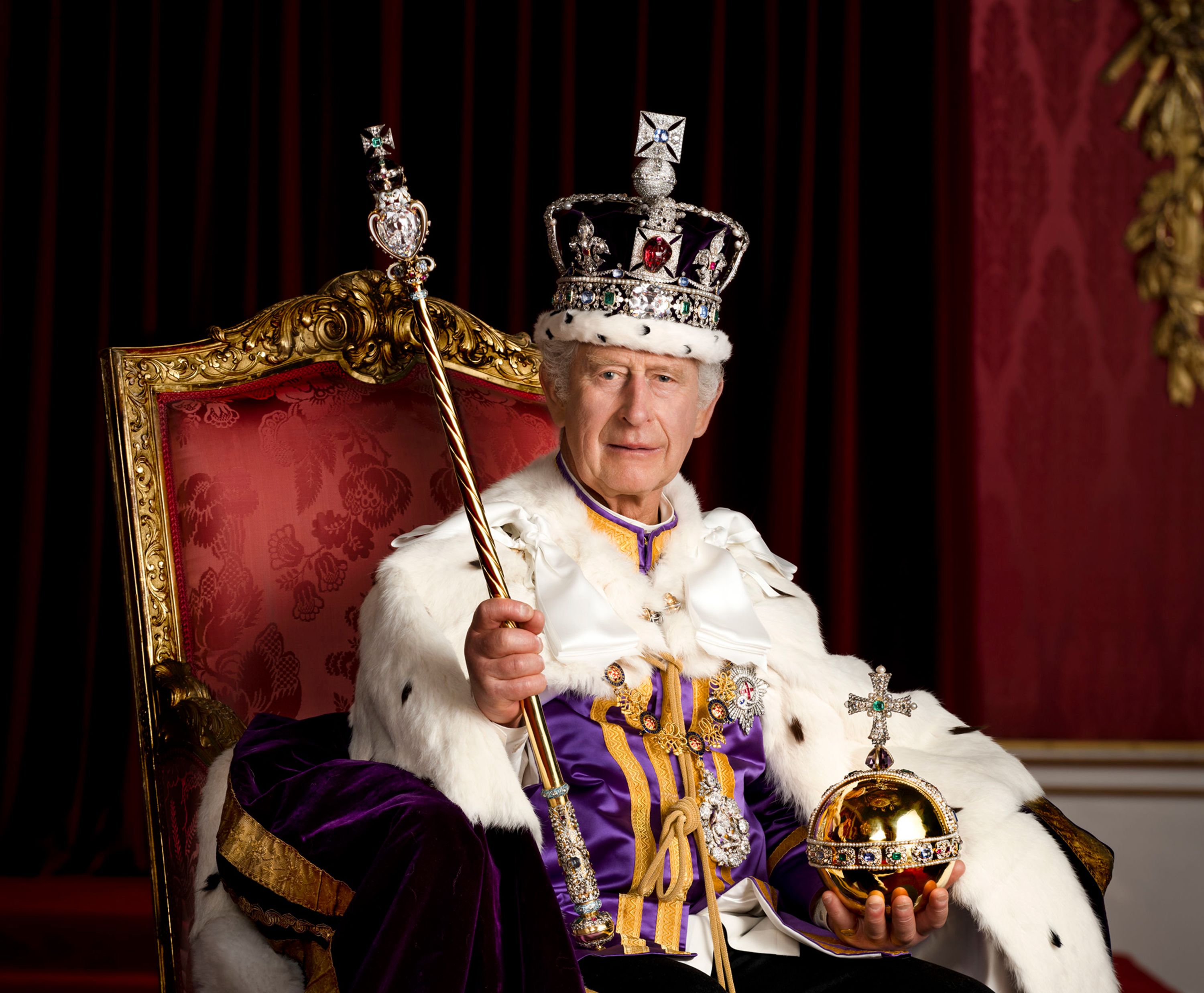
The Windsor family remains the most famous royal house on the planet. King Charles III has reigned since September 2022, following Queen Elizabeth II's remarkable 70-year rule. Britain operates as a constitutional monarchy, meaning Parliament and the prime minister hold real governing power while Charles serves a largely ceremonial role. Few realise that Charles is also head of state for 15 other nations known as Commonwealth realms, including Canada, Australia, and New Zealand.
2. Japan
Japan's imperial family holds the distinction of being the world's oldest continuous hereditary monarchy, tracing back thousands of years. Former Emperor Emeritus Akihito made history in 1959 by marrying a commoner rather than an aristocrat, breaking centuries of tradition. His granddaughter, Princess Mako, later went even further, relinquishing her royal status entirely to marry outside royal circles.
3. Spain
King Felipe VI has led Spain since 2014. The monarchy was restored in 1975 after decades of dictatorship, and the royal family is widely credited with helping steady the country during its transition to democracy, giving it a legitimacy that many newer monarchies lack.
READ MORE: 10 countries that will actually pay you to move there
4. Bhutan
Bhutan's Wangchuck family has earned global affection largely through King Jigme Singye, Queen Jetsun Pema, and their sons, who feature in the country's beloved annual royal calendar. Notably, Bhutan's monarchy voluntarily gave up significant power in 2008, adopting a constitution that shifted the country toward democratic governance.
5. Sweden
King Carl XVI Gustaf has reigned since 1973, making him one of Europe's longest-serving monarchs. Sweden's 1974 constitution stripped the crown of nearly all formal authority, making it one of the most purely symbolic monarchies anywhere in the world today.
6. Saudi Arabia
Saudi Arabia remains one of the few true absolute monarchies left globally, with the royal family holding direct control over government, economy, and religious institutions. The kingdom's succession has drawn scrutiny in recent years as its fraternal line of succession nears exhaustion, raising questions about how power will pass to the next generation.
7. Malaysia
READ MORE: 10 countries that spend the most on weddings
Malaysia runs a monarchy unlike any other on this list. Instead of a single hereditary bloodline, the country elects a new king every five years from among nine hereditary royal families, a rotating system that blends tradition with a democratic-style process.
8. Morocco
Morocco's king wields genuine executive authority rather than a purely ceremonial role, making the monarchy one of the more politically powerful on the African continent. The royal family plays an active part in shaping national policy, not just representing the country symbolically.
9. Eswatini
Eswatini stands as the last absolute monarchy left in sub-Saharan Africa, with King Mswati III holding sweeping personal power over the country's laws and governance, making it a rare example of unchecked royal authority in the modern era.
10. Monaco
Prince Albert II has ruled Monaco since 2005, presiding over the world's second most densely populated country. Despite its tiny size, the principality's royal family commands outsized global attention thanks to its glamorous reputation and high-profile events.
Edem Kwame
Chief Editor
Edem Kwame is a staff journalist at GH News Media, where he covers sports, politics, news and current affairs with a sharp focus on Ghanaian and African football.