
25 banned items you must not carry into the US
Many travellers heading to the United States may be breaking the law without even knowing it.
That souvenir, snack, or gift carefully packed in your suitcase could land you in trouble at the border, according to the U.S. Customs and Border Protection (CBP). The agency enforces some of the world’s strictest import regulations, acting on behalf of more than 40 federal agencies to safeguard public health, agriculture, wildlife, and national security.
While most passengers are aware that drugs, weapons, and other obvious contraband are banned, fewer realise that everyday items such as fresh fruits, seeds, bush meat, animal products, medication, plants, and even cultural souvenirs can be confiscated on arrival. In some cases, travellers may face fines or criminal penalties for failing to comply with these rules.
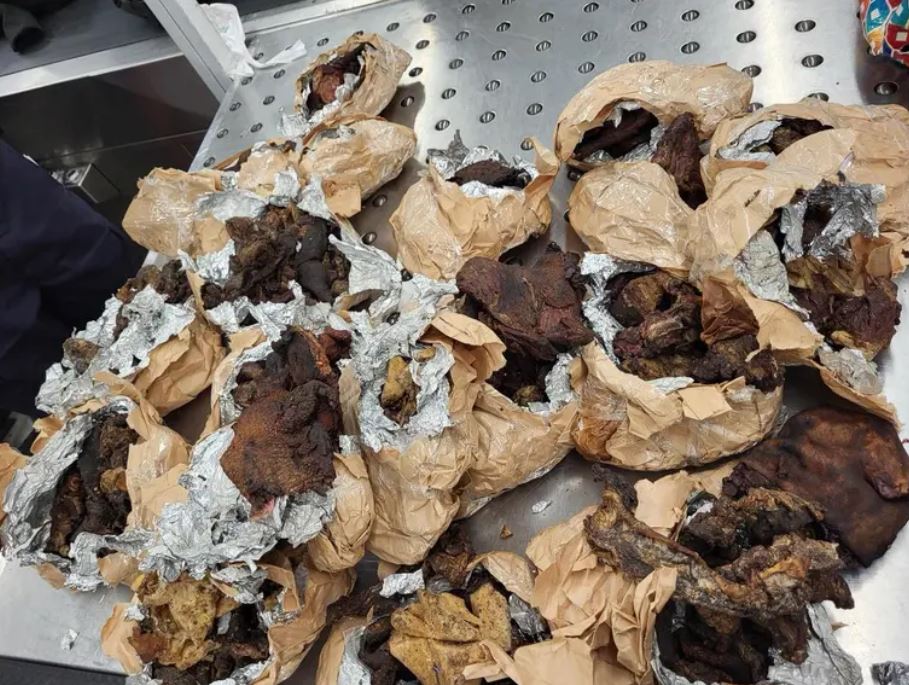
However, bush meat is just one item among many that are either prohibited or tightly regulated.
Below is a comprehensive list of 25 categories of goods identified by CBP as restricted, controlled, or outright prohibited when entering the United States.
If you want, I can also tighten the entire list into a more SEO-friendly feature article with headlines, meta descriptions, and subhead formatting for publication.
1. Absinthe
Not all absinthe is banned, but it must meet strict requirements. It must be thujone-free, containing less than 10 parts per million of thujone.
The word "absinthe" cannot stand alone on the label, and the packaging must not suggest hallucinogenic or mind-altering effects. Products that fail to meet these standards may be seized.
2. Alcoholic Beverages
Alcohol imports are governed by both federal and state laws. The state where a traveler first enters the United States determines how much alcohol may be imported and whether a license is required.
3. Automobiles
Imported vehicles must comply with Environmental Protection Agency (EPA) emissions standards and Department of Transportation safety regulations. Most foreign-purchased vehicles require modifications before they can legally remain in the country.
4. Biological Materials
Biological specimens such as bacterial cultures, fungi, viruses, animal tissues, and research samples generally require permits from the U.S. Department of Agriculture (USDA) and/or the Centers for Disease Control and Prevention (CDC).
READ MORE: Mahama dissolves boards of 9 state institutions
5. Ceramic Tableware
Although not prohibited, ceramic tableware manufactured in some countries may contain dangerous levels of lead in the glaze. Although not prohibited, ceramic tableware manufactured in some countries may contain dangerous levels of lead in the glaze. The U.S. Food and Drug Administration (FDA) recommends testing imported tableware or using it for decorative purposes only.
6. Cultural Artifacts and Cultural Property
Buying an artifact abroad does not automatically grant the right to import it into the United States. Importers may need export permits, ownership documentation, and receipts. Various archaeological and cultural objects are protected under international agreements.
7. Defense Articles or Items with Military Applications
Military-related software, blueprints, technical information, and equipment often require licenses before importation or exportation. Certain dual-use items may also be regulated.
8. Dog and Cat Fur
The importation, manufacture, sale, transport, or distribution of products containing dog or cat fur is illegal. Violators can face civil penalties of up to $10,000 for each knowing and intentional violation, $5,000 for each gross negligent violation, or $3,000 for each negligent violation.
9. Drug Paraphernalia
Drug paraphernalia is prohibited unless specifically intended for legitimate medical purposes. Illegal items may be seized, and violations can result in fines or imprisonment.
10. Firearms
Travelers carrying firearms must comply with strict documentation and registration requirements. Travellers must complete CBP Form 4457 and present the firearm to a CBP officer before departure. The form and any unused ammunition must also be presented to CBP upon return.
11. Fish and Wildlife
Wildlife products, including ivory, skins, feathers, tusks, shells, reptiles, birds, and marine mammals, are heavily regulated. Many endangered species products are prohibited altogether.
12. Food Products (Raw and Prepared)
Bush meat is not permitted. Most products containing meat, including soup mixes and stock cubes, are also restricted. Some packaged foods such as spices, honey, tea, and coffee are generally allowed. Certain imported food products also require advance notification to the FDA before arriving in the United States.
13. Fruits and Vegetables
Fresh fruits and vegetables are among the most commonly confiscated items at U.S. borders because they may introduce harmful pests and diseases. CBP warns that travelers who fail to declare agricultural products can face fines of $300 for first-time offenders and $500 for a second violation.
14. Game and Hunting Trophies
Importing hunting trophies requires entry through designated ports and often involves permits and wildlife declarations.
READ MORE: NSMQ 2026: List of schools that qualify for semi-finals
15. Gold
Gold coins, medals, and bullion are generally admissible. However, gold originating from certain sanctioned countries is prohibited, and copies of gold coins must be properly marked by the country of issuance.
16. Haitian Animal Hide Drums
Animal hide drums from Haiti have been linked to cases of cutaneous anthrax and are subject to health restrictions unless properly treated and certified.
17. Meats, Livestock, and Poultry
Fresh, dried, canned, or processed meat products from most foreign countries are prohibited. Foods prepared with meat are also generally banned because of animal disease concerns. Bush meat falls within this prohibited category and may be confiscated by CBP officers.
18. Medication
Travelers should carry only medications prescribed to them and keep them in their original containers. Non-U.S. citizens should also carry a valid prescription or doctor's note in English. Counterfeit and unauthorized medicines are prohibited.
19. Merchandise from Embargoed Countries
Goods originating from countries subject to U.S. sanctions, including Cuba and Iran, are generally prohibited without specific government authorization.
20. Pets
The importation of pets is tightly regulated. Certain animals, including African rodents, civets, and nonhuman primates, are prohibited. Dogs must have valid rabies vaccination certificates, most species of snails are not admissible, and some birds are subject to quarantine requirements.
21. Photographic Film
Film is generally permitted, but it may be inspected if authorities suspect it contains illegal material. Duty rules vary depending on where the film was purchased and developed.
22. Plants and Seeds
Many plants, seeds, cuttings, and plant products require permits and inspection. Some species are prohibited entirely because they pose risks to agriculture and native ecosystems.
23. Soil
Soil is prohibited unless accompanied by an approved import permit. All soil must be declared upon arrival.
24. Textiles and Clothing
Personal clothing and textiles are generally allowed, although duties may apply. Commercial shipments from certain countries may be subject to quotas or additional documentation requirements.
25. Trademark and Copyrighted Articles
Counterfeit goods and piratical copies of protected copyrights are subject to detention and seizure. Travelers may be permitted to import one article of each type bearing a counterfeit trademark for personal use, but this exemption may be granted no more than once every 30 days.
A similar personal use exemption applies to copyrighted articles, provided they are for personal, non-commercial use and are not intended for sale or distribution. If any such item is sold within one year of importation, it or its value is subject to forfeiture.
Edem Kwame
Chief Editor
Edem Kwame is a staff journalist at GH News Media, where he covers sports, politics, news and current affairs with a sharp focus on Ghanaian and African football.