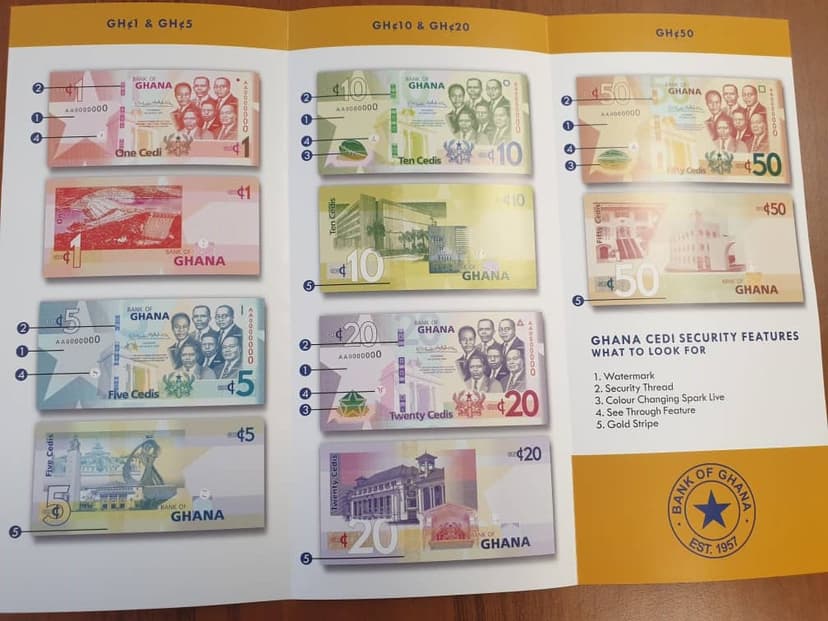
Bank of Ghana warns against spraying cedi notes at weddings, money bouquets
The Bank of Ghana (BoG) has warned that spraying cedi notes at weddings and other social events, making money bouquets for celebrations, and mishandling the country's currency are criminal offences punishable under Ghanaian law.
According to the central bank, anyone found engaging in such acts could face arrest, prosecution, fines or imprisonment. It added that it will work closely with the Ghana Police Service and other law enforcement agencies to ensure offenders are brought to justice.
The warning was contained in a public notice issued on July 14, 2026, and signed by the Secretary to the Bank of Ghana, Aimee Vyda Quashie. The notice aims to educate the public on the proper handling and preservation of Ghana's currency notes and coins.
BoG cites increasing misuse of the cedi.
The bank said it has observed a growing trend of people mishandling the cedi in ways that damage its quality, integrity, functionality and public image.
According to the BoG, the directive is backed by the Bank of Ghana Act, 2002 (Act 612), as amended, and the Currency Act, 1964 (Act 242), which protect the cedi as Ghana's official legal tender.
Money bouquets and spraying Cedi notes are illegal.
The central bank stressed that making money bouquets for weddings, birthdays, graduations and other celebrations is an improper use of the national currency and is prohibited by law.
It also warned that spraying or showering cedi notes at weddings, funerals, parties and similar social events is illegal and could lead to legal action.
READ MORE: How Ghana Cedi notes are made and manufactured
Other acts prohibited by law
The BoG outlined several other practices that are considered offences under Ghanaian law, including:
Using cedi notes or coins as decorations, jewellery, artwork or nail designs.
Throwing or scattering banknotes on the ground during events.
Dancing or stepping on currency notes.
Writing, drawing or stamping on banknotes.
Tearing, crumpling, folding excessively, staining or otherwise damaging notes and coins.
Cutting, altering or mutilating currency.
READ MORE: GTEC lists 100 unrecognised universities in August 2026
Using images of Ghana's currency without prior approval from the Bank of Ghana.
Buying or selling coins above their face value.
The bank also warned against tampering with coins by gilding, silvering, colouring, filing, cutting or changing their appearance, weight or value. It added that possessing filings, scrapings or parts of coins obtained through such acts is also an offence.
Protect the Cedi.
The Bank of Ghana emphasised that currency notes and coins are issued solely to serve as legal tender and should be handled with care.
It noted that the government spends significant public funds each year to print and mint new currency, making it essential for the public to preserve the quality and lifespan of the cedi.
The BoG urged individuals, businesses and institutions to treat Ghana's currency with respect and report any violations of the law to the appropriate authorities.
It reiterated that anyone caught engaging in prohibited acts involving the cedi could face arrest, prosecution, fines or imprisonment under Ghanaian law. The bank added that it will continue collaborating with the police and other state security agencies to monitor compliance and enforce the law.
Edem Kwame
Chief Editor
Edem Kwame is a staff journalist at GH News Media, where he covers sports, politics, news and current affairs with a sharp focus on Ghanaian and African football.