
Ghana records 14% drop in new HIV infections and AIDS-related deaths
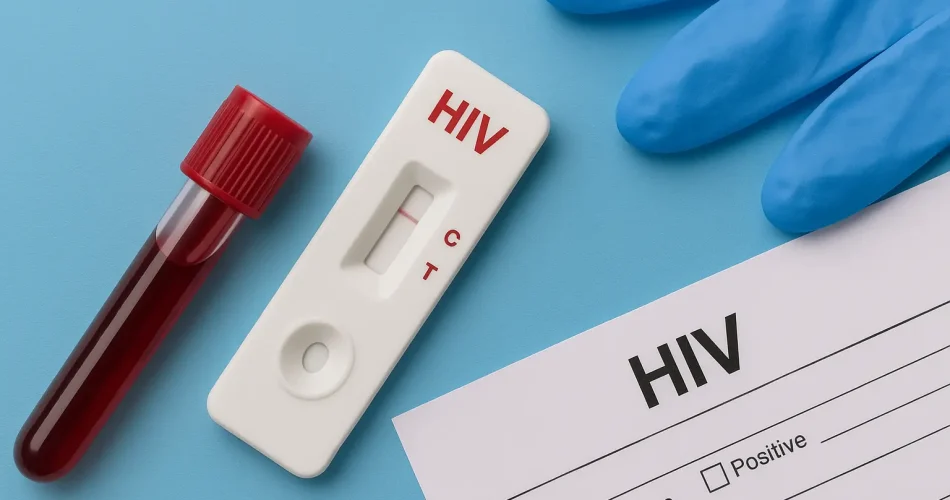
Ghana has recorded a significant decline in both new HIV infections and AIDS-related deaths, according to the 2025 National HIV Estimates and Projections released by the Ghana AIDS Commission (GAC).
The latest report shows that new HIV infections fell from 16,189 in 2024 to 13,951 in 2025, while AIDS-related deaths dropped from 13,429 to 12,051 over the same period. The decline represents nearly a 14% reduction, reflecting continued progress in the country's fight against HIV.
Ghana's HIV response showing positive results
Speaking during the presentation of the report in Accra on Monday, July 20, the Director of Research, Monitoring and Evaluation (RM&E) at the Ghana AIDS Commission, Isaiah Doe Kwao, attributed the encouraging figures to sustained investments in HIV testing, treatment and care services nationwide.
He said the latest estimates demonstrate that Ghana's HIV response is producing measurable results but stressed that additional efforts are needed to eliminate AIDS as a public health threat by 2030.
"Ghana’s HIV response is making progress, but we still have more work to do to reach epidemic control and ensure that no one is left behind," Mr Kwao said.
More than 337,000 people living with HIV in Ghana
According to the report, an estimated 337,435 people are currently living with HIV in Ghana.
Of this figure:
315,513 are adults aged 15 years and above.
21,922 are children below the age of 15.
READ MORE: NSMQ 2026: Accra Academy joins PRESEC, Augusco in grand finale
19,528 adolescents aged between 10 and 19 are living with HIV.
33,317 young people aged 15 to 24 are also living with the virus.
The figures highlight the continued need for targeted prevention, testing and treatment interventions, particularly among young people and vulnerable populations.
GAC projects further decline by 2030.
Director-General of the Ghana AIDS Commission, Dr Kharmacelle Akanbong, said preventing new HIV infections remains central to Ghana's national HIV strategy, noting that every new infection increases the number of people requiring lifelong treatment and care.
He emphasised that epidemic control depends on reducing both new infections and AIDS-related deaths to the lowest possible levels.
"Epidemic control means new infections and AIDS deaths must continue to come down. There should ideally be no new infections, although that is difficult to achieve. The objective is to reduce them to the lowest possible level," he said.
Dr Akanbong projected that if Ghana continues to expand HIV prevention programmes, testing services and treatment coverage:
New HIV infections could decline from 13,951 in 2025 to about 6,430 by 2030.
AIDS-related deaths could reduce from 12,051 to approximately 4,893 by 2030.
READ MORE: Ahmed Ibrahim: God’s hand is in my ministerial reshuffle
HIV prevalence continues to decline.
The report also shows a steady reduction in Ghana's adult HIV prevalence among people aged 15 to 49 years.
According to the Commission:
HIV prevalence stood at 1.79% in 2015.
It declined to 1.40% in 2025.
It is projected to fall further to 1.18% by 2030.
Dr Akanbong attributed the progress to improved access to antiretroviral therapy (ART), early diagnosis and treatment, and better retention of patients in HIV care programmes.
Challenges remain despite progress.
Despite the positive trends, the Ghana AIDS Commission warned that significant challenges remain.
These include identifying people who are unaware of their HIV status, expanding access to testing services, and maintaining a reliable supply of life-saving antiretroviral medicines.
Dr Akanbong called for stronger collaboration among government agencies, development partners, healthcare professionals and communities to sustain the country's gains and accelerate progress towards the global target of ending AIDS as a public health threat by 2030.
Edem Kwame
Chief Editor
Edem Kwame is a staff journalist at GH News Media, where he covers sports, politics, news and current affairs with a sharp focus on Ghanaian and African football.