Why Ghana passed the Anti-LGBTQ+ bill
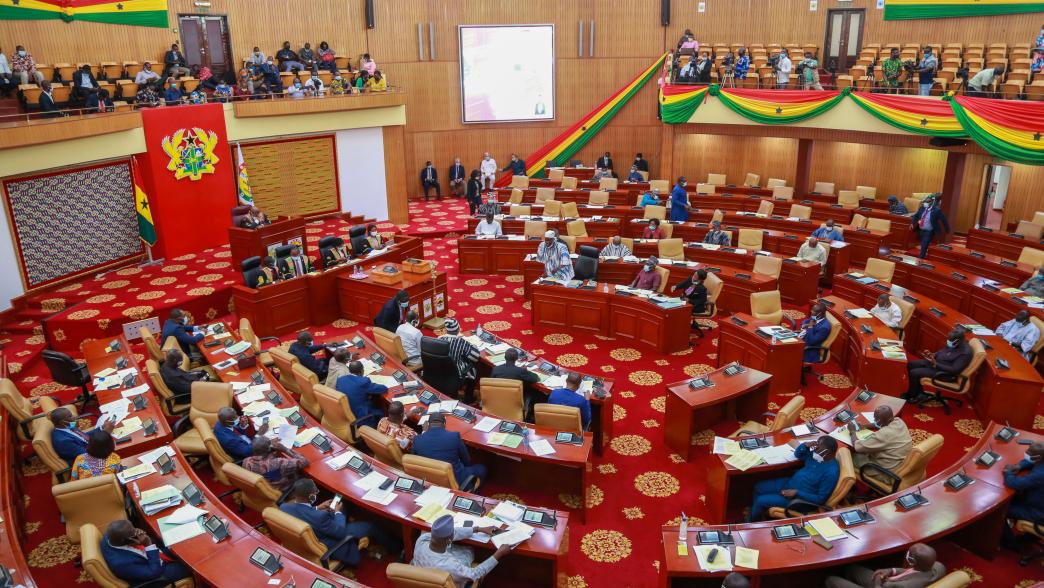
Ghana's Parliament approved the Human Sexual Rights and Family Values Bill following years of lobbying from religious leaders, traditional authorities, and a significant cross-section of Ghanaian lawmakers. Supporters argue the legislation defends the country's cultural identity, while critics warn it violates fundamental human rights. Here is a breakdown of both sides of the debate.
Five Reasons Supporters Backed the Bill
1. Protection of Traditional Family Values
Supporters argue that Ghanaian culture has historically recognized heterosexual marriage as the foundation of society. Many MPs stated the bill was designed to preserve traditional family structures and safeguard Ghana's moral and cultural identity for future generations, resisting what they described as conflicting foreign influences.
2. Strong Religious Influence
Ghana is a deeply religious country, with Christianity and Islam as the dominant faiths. Major religious bodies — including the Christian Council of Ghana, the Ghana Catholic Bishops' Conference, and various Muslim groups — have consistently opposed LGBTQ+ rights, arguing that same-sex relationships contradict religious teaching. Their sustained campaigns were central to the bill's momentum.
3. Public Opinion and Constituent Pressure
Multiple opinion surveys have shown that acceptance of same-sex relationships remains comparatively low in Ghana. Lawmakers frequently cited public sentiment as justification, framing their votes as representing the will of their constituents.
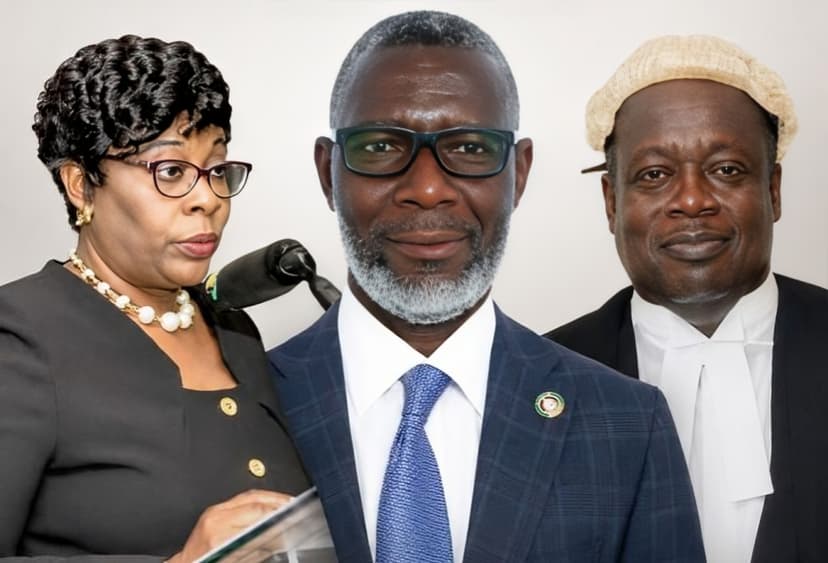
READ MORE: Parliament recommends 3 Supreme Court nominees for approval
4. Criminalizing LGBTQ+ Advocacy and Promotion
Beyond same-sex acts, the bill targets individuals and organizations that promote or sponsor LGBTQ+ activities. Supporters argue this provision is necessary to prevent the normalization of LGBTQ+ lifestyles within Ghanaian society.
5. Years of Political and Social Pressure
The bill gained traction after sustained demonstrations and lobbying by religious and traditional groups. Politicians from both major parties faced significant pressure from influential faith-based organizations and community leaders to take a firm legislative stance.
Why the Bill Is Controversial
Human rights organizations, including Human Rights Watch, have criticized the legislation for violating rights to privacy, freedom of expression, freedom of association, and equality before the law. Critics warn the law could:
Increase discrimination against LGBTQ+ individuals in Ghana
Restrict the work of human rights and civil society organizations
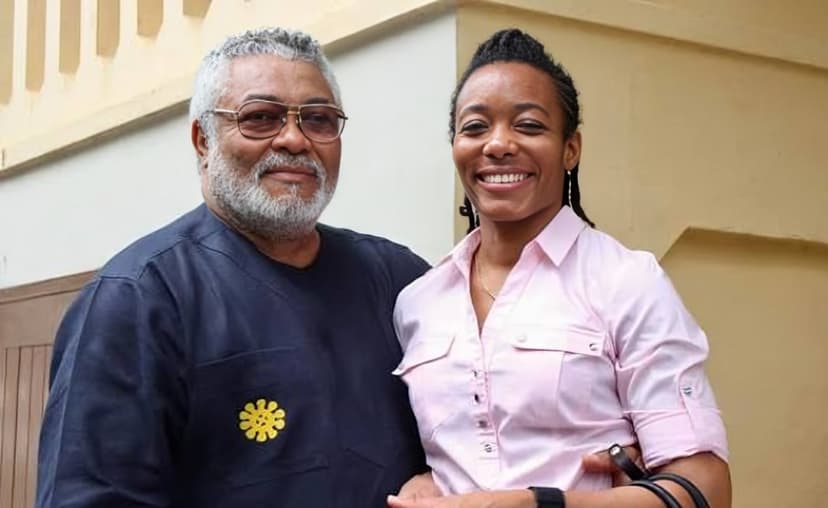
READ MORE: Mahama nominates Zanetor Rawlings and Mahama Ayariga as ministers in cabinet reshuffle
Discourage people from seeking healthcare or legal assistance
Harm Ghana's international reputation and relationships with development partners
Ghana's Ministry of Finance previously warned that enforcing the law could put billions of dollars in international funding and development support at risk, highlighting serious potential economic consequences.
Frequently Asked Questions
What does Ghana's Anti-LGBTQ+ Bill actually criminalize? The Human Sexual Rights and Family Values Bill criminalizes same-sex acts and also targets individuals and organizations that promote, sponsor, or advocate LGBTQ+ activities in Ghana.
Which groups supported the bill? The bill was backed by a majority of Ghanaian MPs, major Christian and Muslim religious bodies, and traditional community leaders who view it as a defense of national cultural and moral values.
What are the international consequences? Ghana's Ministry of Finance warned the law could jeopardize billions in international aid and development funding, and human rights organizations have flagged potential damage to Ghana's global standing.
Conclusion
The passage of Ghana's Anti-LGBTQ+ Bill was primarily driven by lawmakers, religious groups, and traditional leaders seeking to preserve what they consider Ghanaian cultural, moral, and family values. However, the law remains deeply contested—supporters frame it as a defense of national identity while critics view it as a threat to fundamental human rights. The debate reflects a broader tension between cultural tradition, religious belief, and international human rights standards playing out across Africa.
Edem Kwame
Chief Editor
Edem Kwame is a staff journalist at GH News Media, where he covers sports, politics, news and current affairs with a sharp focus on Ghanaian and African football.