17 teams that were banned or disqualified as Senegal’s AFCON title faces possible review
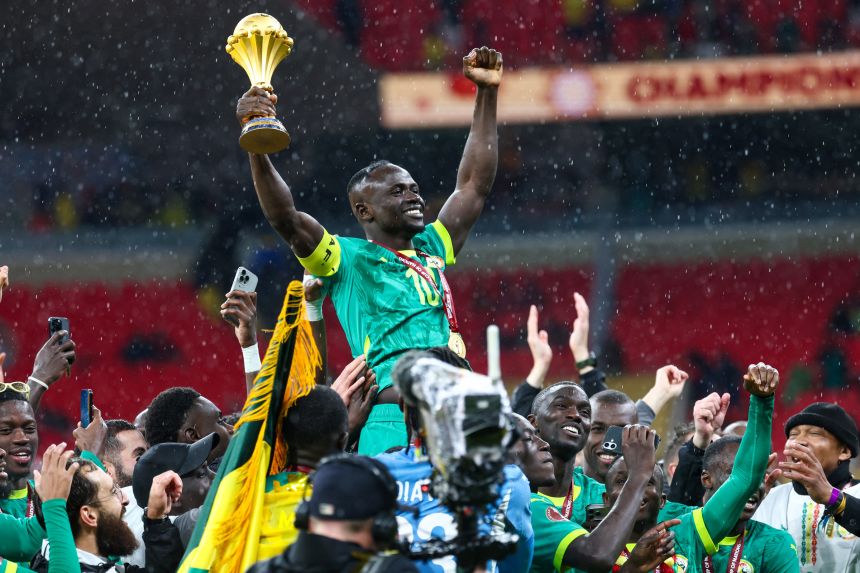
Senegal’s Africa Cup of Nations (AFCON) triumph in January 2026 has been overshadowed by controversy, with growing speculation that the Lions of Teranga could yet face sanctions, including the unprecedented possibility of having their title stripped.
Pape Thiaw’s side defeated hosts Morocco in a final that descended into chaos after Senegalese players temporarily left the pitch in the closing moments.
The walk-off followed a highly contentious penalty decision awarded to Morocco while the score remained level. After a prolonged delay of nearly 20 minutes, Senegal returned to the field, only for Brahim Díaz to miss the spot kick.
The incident has sparked debate over potential disciplinary action from the Confédération Africaine de Football (CAF). While no final ruling has been issued, history shows that bans and disqualifications, sometimes severe, are not unprecedented in football.
According to FourFourTwo, the following 17 teams have previously been banned or disqualified from major football competitions under varying circumstances.
1. All English Clubs (UEFA Competitions, 1985–1991)
Following the Heysel Stadium disaster in 1985, UEFA imposed a blanket ban on all English clubs from European competition. The suspension lasted six years, marking one of the most significant sanctions in football history.
2. Barnsley (FA Cup, 2023)
Barnsley were expelled from the FA Cup after fielding an ineligible player, Aiden Marsh, during a first-round replay against Horsham. The striker was on loan during the original tie, rendering him ineligible.
3. Beşiktaş (UEFA Competitions, 2013–2014)
The Turkish giants received a one-year ban from European competitions due to their involvement in a match-fixing scandal.
READ MORE: Carlos Queiroz makes World Cup history as Ghana beat Panama
4. Chile (World Cup, 1994)
Chile was barred from the 1994 World Cup after a controversial incident during 1990 qualifying involving goalkeeper Roberto Rojas, who falsely claimed injury to abandon a decisive match against Brazil.
5. Fenerbahçe (UEFA Competitions, 2013–2015)
Also implicated in Turkey’s match-fixing scandal, Fenerbahçe was handed a two-year suspension from UEFA competitions.
6. Germany (World Cup, 1950)
Germany was excluded from the first post-World War II World Cup due to the geopolitical consequences of the conflict.
7. Japan (World Cup, 1950)
Japan faced the same fate as Germany, remaining barred from the 1950 tournament for similar reasons.
8. Greenwich Borough (FA Cup, 2000 & 2004)
The non-league club—where Ian Wright began his career—was twice disqualified from the FA Cup for repeatedly fielding ineligible players.
9. Ismaily SC (CAF Champions League, 2018)
The Egyptian side was expelled after crowd disturbances during a match against Club Africain, forcing officials to abandon the fixture.
10. Juventus (UEFA Competitions, 2023–2024)
Juventus was banned from the Europa League after breaching Financial Fair Play regulations, adding to the club’s long history of disciplinary issues.
11. Mexico (International Football, 1988–1990)
Mexico’s U-20 team fielded four ineligible players, resulting in a two-year suspension that forced the senior team to miss the 1990 World Cup.
READ MORE: 3 red cards in the 2026 FIFA World Cup opener as South Africa fall to Mexico
12. Nigeria (International Football, 2014)
Nigeria received a brief suspension due to government interference in football administration, a strict violation of FIFA statutes.
13. FK Pobeda (UEFA Competitions, 2009–2017)
The North Macedonian club was handed an eight-year ban following suspicious betting activity linked to a European match.
14. Real Madrid (Copa del Rey, 2015)
Real Madrid was disqualified after fielding Denis Cheryshev, who was serving a suspension accumulated while on loan at Villarreal.
15. Russia (FIFA & UEFA Competitions, 2022–Present)
Russian national teams and clubs remain suspended following the country’s invasion of Ukraine.
16. South Africa (International Football, 1961–1992)
South Africa endured a 31-year ban due to the apartheid system, one of the longest exclusions in football history.
17. Yugoslavia (International Football, 1992)
Yugoslavia was expelled from international competition amid political turmoil and armed conflict. Denmark replaced them at Euro 1992—and went on to win the tournament.
What This Means for Senegal
While Senegal’s situation remains under review, history illustrates that football authorities have not hesitated to impose strict penalties when regulations are breached. Whether CAF will pursue disciplinary action—or stop short of stripping the title—remains to be seen.
One thing is clear: controversy at the highest level of football can carry lasting consequences.
Edem Kwame
Edem Kwame is a journalist at GH News Media covering sports and national developments in Ghana.