Messi makes World Cup history as Argentina completes stunning comeback against Egypt
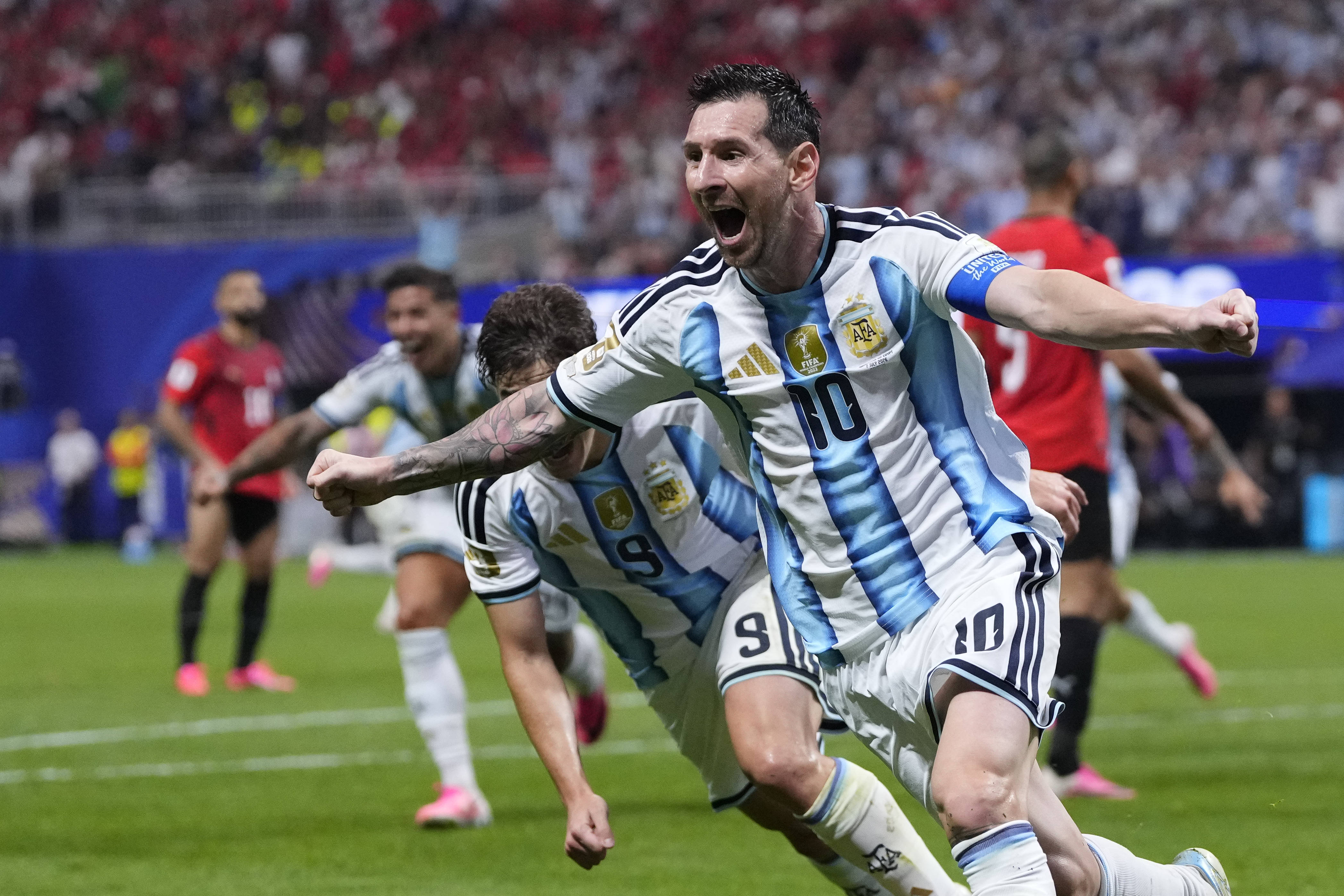
Lionel Messi made FIFA World Cup history as Argentina fought back from two goals down to beat Egypt 3-2 and secure a dramatic place in the quarter-finals.
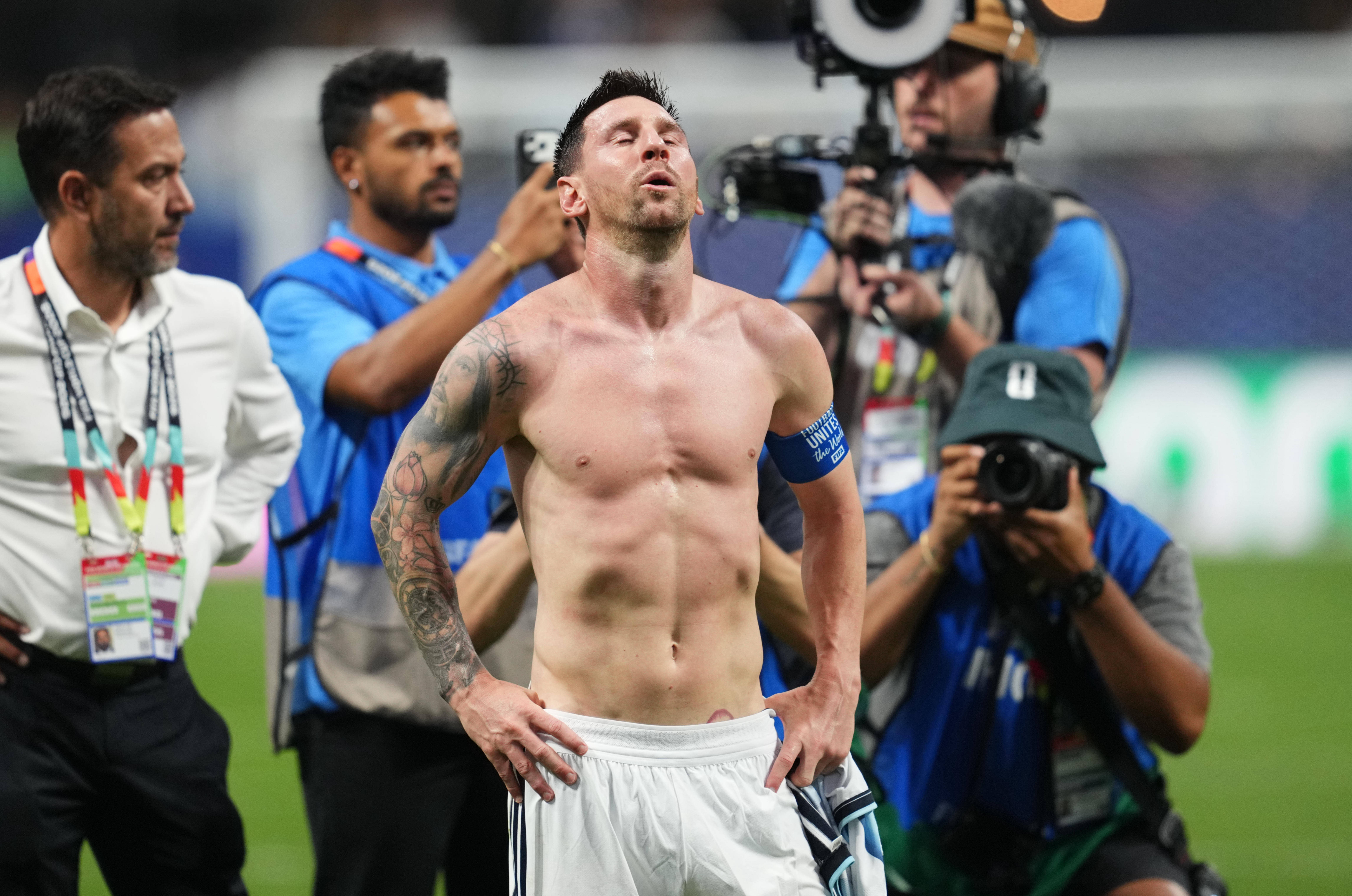
The Argentine captain became the first player ever to score in nine consecutive World Cup matches, delivering another iconic performance when his team needed him most. Messi scored a crucial late equaliser and provided an assist as the defending champions avoided a shock exit and kept their title defence alive.
Argentina entered the match as favourites, but Egypt stunned the reigning world champions with their first meaningful attack of the game.
In the 15th minute, defender Yasser Ibrahim rose highest to power home a header from a well-worked corner, giving the Pharaohs a surprise lead.
Argentina had an immediate chance to respond when they were awarded a penalty after a clumsy challenge inside the box. However, Egyptian goalkeeper Mostafa Shobeir produced another moment of brilliance, saving Messi's spot-kick and preserving his side's advantage.
The miss marked Messi's fourth penalty failure in FIFA World Cup history, but Argentina continued to push forward in search of an equaliser.
Argentina dominated possession and created several clear opportunities before half-time.
Alexis Mac Allister came close with a header from close range, while Julián Álvarez was denied by an outstanding reaction save from Shobeir.
Messi also nearly made amends for his penalty miss when a curling free-kick struck the woodwork before going wide.
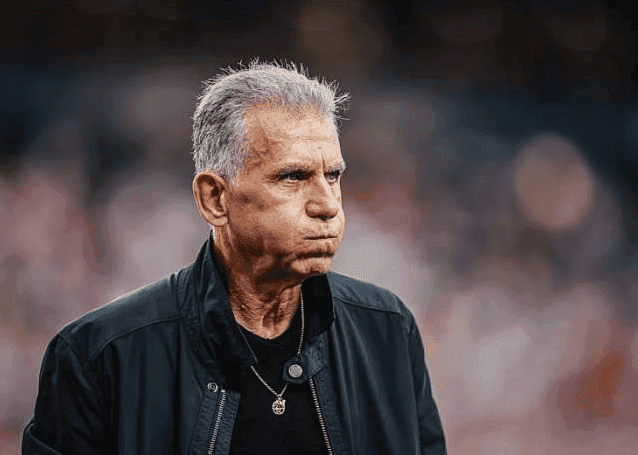
READ MORE: Carlos Queiroz and GFA part ways after Black Stars struggles
Despite Argentina's relentless pressure, Egypt held firm and went into the break with their one-goal advantage intact.
The second half followed a similar pattern, with Argentina controlling possession and Egypt looking dangerous on the counter-attack.
A warning sign arrived when Mostafa Ziko thought he had scored Egypt's second goal, only for VAR to rule it out due to a foul earlier in the move.
Argentina failed to learn from that scare.
Soon after, Mohamed Salah launched another quick attack and found Haissem Hassan, whose low cross was expertly finished by Ziko to put Egypt 2-0 ahead.
At that stage, Argentina appeared to be heading for a shock World Cup exit.
With time running out, Argentina finally found a way back into the contest.
Cristian Romero reduced the deficit in the 79th minute, rising to meet a perfectly delivered Messi cross and heading beyond Shobeir.
The goal transformed the momentum of the match and gave Argentina renewed belief.
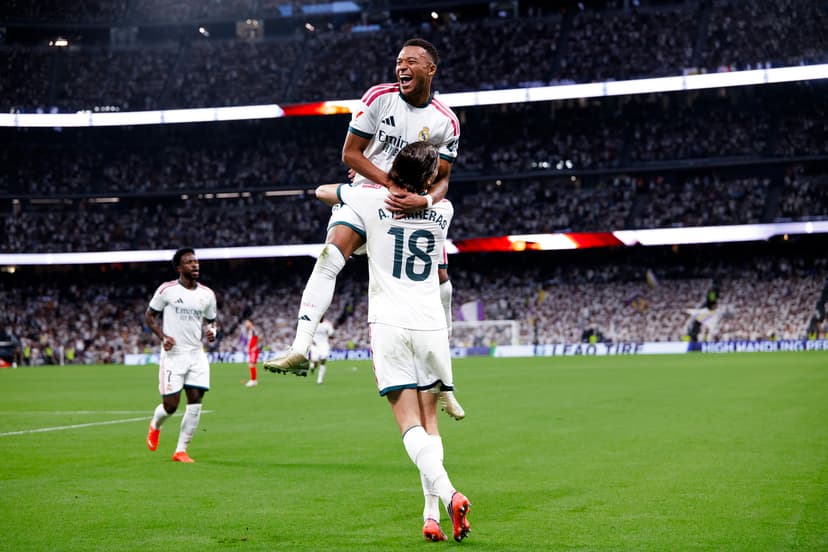
READ MORE: LaLiga: Real Madrid beat Rayo Vallecano as Mbappe scores twice
Moments later, Messi delivered once again.
Receiving the ball just outside the penalty area, the eight-time Ballon d'Or winner unleashed a powerful strike that beat Shobeir and flew into the net.
The goal not only levelled the score at 2-2 but also saw Messi become the first player in history to score in nine consecutive FIFA World Cup matches.
With extra time approaching, both teams continued to attack in a thrilling finish.
Egypt appealed for a penalty during stoppage time, but play continued and Argentina launched a decisive counter-attack.
Lautaro Martínez broke into space and delivered a dangerous cross into the box, where Enzo Fernández arrived to head home the winning goal.
The late strike completed a remarkable comeback and sent Argentina into the quarter-finals.
The victory keeps Argentina's dream of retaining the FIFA World Cup alive. The South American giants will now face either Switzerland or Colombia in the quarter-finals.
For Egypt, the defeat will be difficult to accept after holding a two-goal lead against the reigning champions. Despite a spirited performance and several heroic saves from Mostafa Shobeir, the Pharaohs were unable to stop Messi and Argentina from producing one of the most memorable comebacks of the tournament.

Edem Kwame
Chief Editor
Edem Kwame is a staff journalist at GH News Media, where he covers news, sports, politics and current affairs with a sharp focus on Ghanaian and African football.