10 Oldest Cities in Africa: History and founding dates
Africa is home to some of the oldest continuously inhabited cities on Earth, places that were thriving centres of trade, religion and political power thousands of years before many modern nations existed.
From the Nile Valley to the edge of the Sahara, these ancient settlements have survived empires, invasions and colonial rule to remain vibrant today. Here are 10 of the oldest cities in Africa, their founding dates, and what they look like now.
1. Faiyum, Egypt — Africa's Oldest City
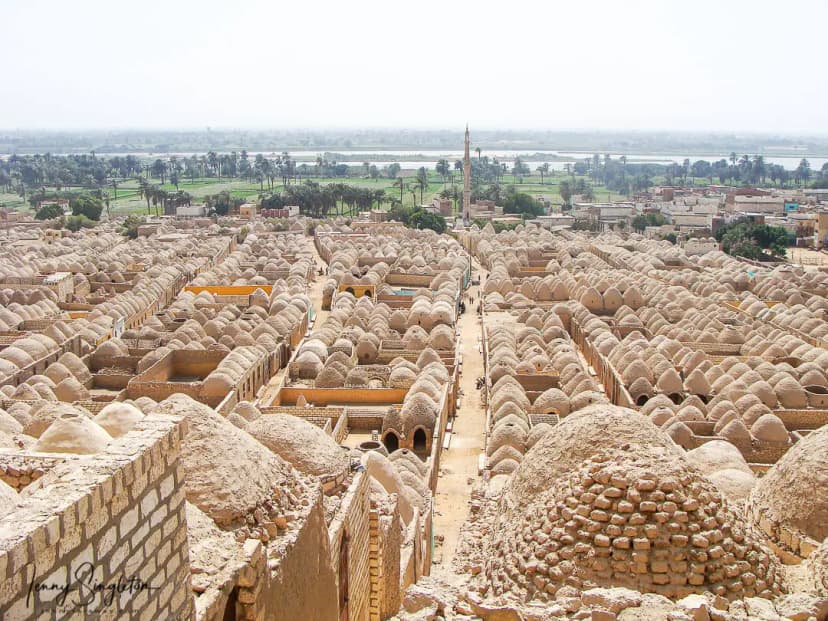
Faiyum, located about 100 kilometres southwest of Cairo, is widely regarded as the oldest continuously inhabited city in Africa, with roots stretching back roughly 6,000 years. Built around a fertile oasis fed by a branch of the Nile, it served as an important agricultural and religious centre in ancient Egypt, home to temples dedicated to the crocodile god Sobek. Today, Faiyum remains a thriving city known for its pottery, agriculture and proximity to Lake Qarun, drawing both farmers and tourists to the region.
2. Luxor, Egypt — The Ancient City of Thebes
Once known as Thebes, Luxor served as the capital of Egypt during the height of the New Kingdom and was considered the glorious city of the god Amun. Dating back more than 5,000 years, it was a major political and religious hub, home to the Karnak and Luxor temples and the nearby Valley of the Kings. Modern Luxor is one of Egypt's biggest tourist destinations, with its ancient monuments still drawing millions of visitors annually.
3. Tangier, Morocco — Gateway Between Africa and Europe
READ MORE: 10 oldest universities in Africa
Tangier's history dates back roughly 3,000 years, with Phoenician traders establishing a settlement on the strait separating Africa from Europe. Its position made it a prized possession for successive empires, from Carthaginians and Romans to Arabs and Portuguese colonisers. Today, Tangier is a major Moroccan port city and cultural crossroads, known for its blend of Arab, Berber, Spanish and French influences.
4. Carthage, Tunisia — Rome's Great Rival
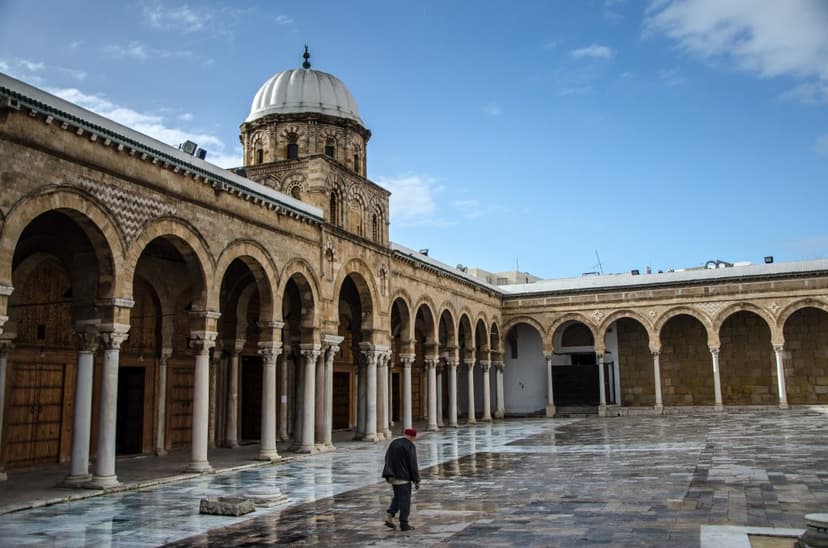
Founded by Phoenician settlers in the ninth century BCE, Carthage grew into one of the ancient world's most powerful cities and Rome's fiercest rival during the Punic Wars. Though the original city Rome destroyed the original city, but its ruins near modern Tunis now stand as a UNESCO World Heritage Site. and later rebuilt, its ruins near modern Tunis are a UNESCO World Heritage Site. The area today forms an affluent suburb of Tunisia's capital, blending archaeological history with modern coastal living.
5. Alexandria, Egypt — City of Scholars
Founded by Alexander the Great over 2,300 years ago, Alexandria quickly became one of the ancient world's outstanding centres of learning, home to the legendary Library of Alexandria and the Lighthouse of Pharos, one of the Seven Wonders of the Ancient World. It served as Egypt's capital under the Ptolemaic dynasty and remained a major Mediterranean trading hub for centuries. Alexandria today is Egypt's second-largest city and its principal port, still carrying echoes of its scholarly and cosmopolitan past.
6. Aksum, Ethiopia — Heart of an Ancient Empire
Aksum rose to prominence over 2,000 years ago as the capital of the Kingdom of Aksum, one of ancient Africa's most powerful trading empires, with links stretching to Rome, Persia and India. The city is famous for its towering stone obelisks marking royal tombs and is believed by many Ethiopians to house the Ark of the Covenant in the Church of St Mary of Zion. Aksum remains a deeply significant religious site in Ethiopia, drawing pilgrims and historians alike.
7. Mogadishu, Somalia — Ancient Port of the Horn of Africa
READ MORE: Top 10 Most Spoken Languages in the World 2026 Ranked
Mogadishu's history as a trading settlement stretches back roughly 2,000 years, with the city later flourishing as a major Indian Ocean port linking East Africa to Arabia, Persia and beyond. It became the seat of powerful sultanates and a key stop for merchants trading gold, ivory and textiles. Today, Mogadishu is Somalia's capital and largest city, working to rebuild after decades of conflict while retaining its historical significance as one of East Africa's oldest urban centres.
8. Kano, Nigeria — West Africa's Trade Powerhouse
Kano's history spans more than 1,000 years, having been established as a Hausa city-state around the 10th century. It grew into one of West Africa's most important commercial centres, renowned for its leather and textile trade, with its famous dye pits still operating today. Modern Kano is northern Nigeria's largest city and remains a major hub for trade, agriculture and Hausa culture.
9. Timbuktu, Mali — City of Scholars and Salt
Founded around the 11th century by Tuareg traders, Timbuktu grew into one of Africa's most celebrated centres of Islamic scholarship, trade and manuscript preservation as part of the Mali and Songhai empires. Its universities and libraries once attracted scholars from across the Muslim world. Today, Timbuktu is a UNESCO World Heritage Site, though instability in the region has posed challenges to preserving its ancient manuscripts and architecture.
10. Benin City, Nigeria — Capital of a Legendary Kingdom
Benin City traces its origins back around 1,000 years and served as the capital of the powerful Benin Empire, one of West Africa's oldest and most sophisticated pre-colonial states. It was famed for its bronze and ivory artistry and for the massive earthwork walls that once surrounded it, once described as among the largest man-made structures built before the machine age. Today, Benin City is the capital of Edo State in southern Nigeria, still celebrated for its royal heritage and artistic legacy.
Edem Kwame
Chief Editor
Edem Kwame is a staff journalist at GH News Media, where he covers sports, politics, news and current affairs with a sharp focus on Ghanaian and African football.