
Why Iran’s supreme leader Ayatollah Ali Khamenei was killed
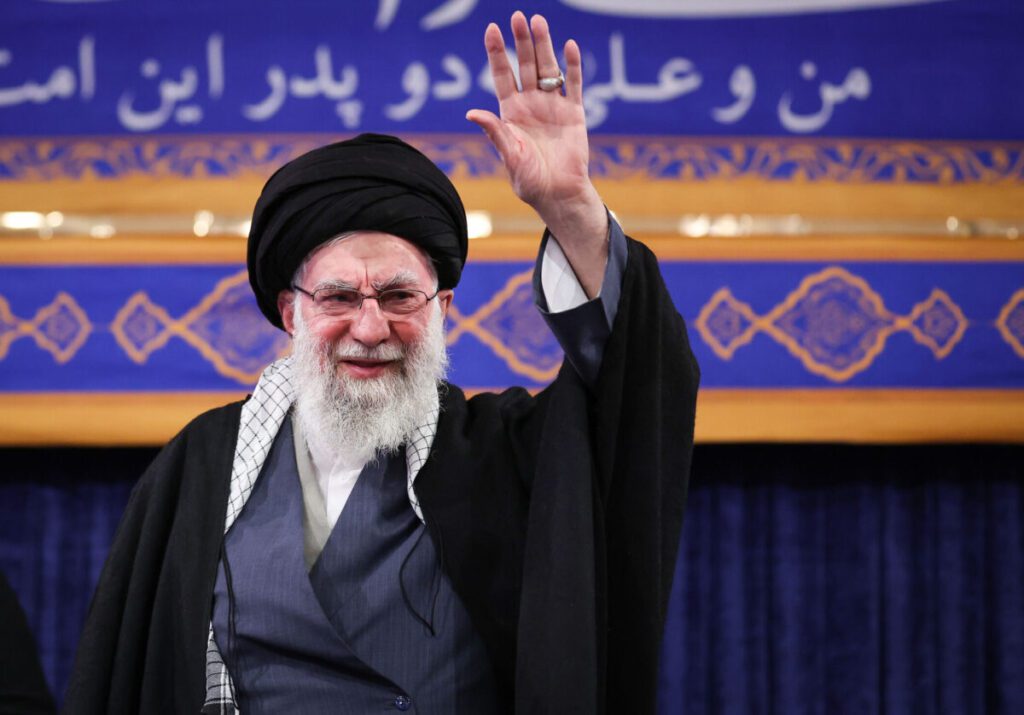
The reported killing of Ayatollah Ali Khamenei on February 28, 2026, marked one of the most consequential geopolitical events in modern Middle Eastern history. His death did not occur in isolation; rather, it followed years of mounting confrontation between Iran, the United States, and Israel.
Multiple political, military, and strategic factors converged to produce the moment that ultimately led to his targeting. Below is a comprehensive examination of the principal drivers behind the operation.
Decades of Escalation
Tensions between Iran and its adversaries have simmered for decades. Under Khamenei’s leadership, Iran expanded its regional influence, strengthened ideological opposition to Israel, and advanced its nuclear and missile capabilities.
The regional landscape shifted dramatically after the 2023 Israel–Hamas war, which weakened several Iranian-aligned groups while exposing vulnerabilities within Iran’s broader deterrence strategy. That conflict accelerated direct confrontation between Tehran and Jerusalem, pushing long-standing shadow hostilities into more overt military engagement.
1. The Nuclear Programme: Core Strategic Flashpoint
The central justification cited by Washington and Jerusalem was Iran’s nuclear advancement.
The 2015 nuclear agreement—formally known as the Joint Comprehensive Plan of Action—imposed restrictions on Iran’s enrichment activities in exchange for sanctions relief. However, after the United States withdrew from the accord in 2018, Tehran gradually reduced its compliance, expanding enrichment levels and stockpiles.
By 2025–2026, Western officials argued that Iran had moved significantly closer to weapons-grade nuclear capability. Diplomatic efforts to negotiate a renewed agreement reportedly collapsed after disagreements over enrichment limits, ballistic missile restrictions, and Iran’s regional alliances.
From the U.S. and Israeli perspective, eliminating senior leadership — including Khamenei — was seen as a decisive measure to prevent further nuclear escalation.
READ MORE: NHIA pays GH¢281.66m claims to health facilities
2. Ballistic Missile Development
Iran’s ballistic missile arsenal was another major concern. The missile programme, heavily supported under Khamenei’s doctrine of strategic self-reliance, remained one of Iran’s most intact deterrent capabilities even after earlier strikes damaged air defences and infrastructure.
U.S. officials described the missile network as an immediate threat to American forces stationed in the Gulf and to Israeli territory. Neutralising the leadership overseeing that programme was considered a way to degrade command authority and long-term production capacity.
3. The Proxy Network and the “Axis of Resistance”
Khamenei’s regional strategy relied heavily on allied non-state actors, including Hezbollah and Hamas. This coalition—often referred to as the “Axis of Resistance”—was designed to deter direct attacks on Iran by projecting influence through regional partners.
The October 7, 2023, Hamas attack on Israel triggered a large-scale regional conflict that eventually drew in multiple Iranian-backed factions. Rocket fire from Hezbollah and subsequent Israeli operations intensified direct hostilities between Israel and Iran.
Western and Israeli analysts argued that Khamenei’s strategic reliance on proxies ultimately entangled Iran in a conflict that escalated beyond indirect confrontation.
4. Regime Change as an Explicit Objective
Beyond military calculations, political rhetoric from Washington and Jerusalem indicated broader ambitions. Statements from senior leaders in both countries suggested that weakening or ending the Islamic Republic’s current governing structure was a desired outcome.
Removing Khamenei—the symbolic and institutional core of the Islamic Republic—represented the most dramatic possible blow to that system. Analysts described the strike as a “decapitation strategy", intended not only to dismantle military command but also to destabilise centralised authority.
5. Intelligence and Tactical Timing
Reports indicate that the timing of the operation was influenced by intelligence assessments suggesting imminent Iranian military action. According to U.S. defence sources, actionable intelligence created a narrow operational window.
Israeli intelligence capabilities reportedly played a central role in identifying vulnerabilities within Iran’s security structure, enabling what some officials described as one of the most complex leadership-targeting operations in modern warfare.
READ MORE: Kylian Mbappe believes 2026 could be his year to win the Ballon d'Or
6. Domestic Unrest Inside Iran
Internal instability may also have factored into strategic calculations. Beginning in late 2025, Iran experienced widespread protests driven by economic collapse, currency devaluation, and rising living costs. Demonstrations reportedly spread to dozens of cities.
Western leaders had previously criticised Tehran’s response to protesters, describing the crackdown as severe. While domestic unrest was not the primary military justification, it reinforced narratives portraying the Iranian leadership as both internally fragile and externally aggressive.
7. Strategic Miscalculations
Some independent experts argue that Khamenei misjudged the shifting geopolitical environment. For years, Iran relied on calibrated escalation — applying pressure through proxies while avoiding direct war with superior military powers.
However, analysts suggest that this balance collapsed when Israel and the United States opted for direct confrontation rather than continued containment. By the time of the strike, several of Iran’s key regional allies had been weakened, and its deterrence posture had narrowed.
Critical Counterarguments
Tehran condemned the operation as unlawful and characterised it as an act of war. Iranian representatives argued that diplomatic channels were still active and accused Washington of undermining negotiations.
Policy analysts also warned that targeting top leadership during negotiations could discourage future diplomatic engagement globally, setting a precedent that weakens trust in international agreements.
Additionally, some intelligence assessments suggested that succession within Iran could elevate even more hardline figures, potentially intensifying rather than moderating regional policy.
Conclusion
The killing of Ayatollah Ali Khamenei resulted from a convergence of strategic calculations: nuclear brinkmanship, missile deterrence concerns, proxy warfare escalation, collapsed diplomacy, internal unrest, and a belief among his adversaries that leadership removal would alter Iran’s trajectory.
Whether the operation achieves its stated objectives — preventing nuclear proliferation and reshaping regional security — or instead accelerates instability remains uncertain. What is clear is that the event represents a historic inflection point in Middle Eastern geopolitics, with consequences that will reverberate far beyond Iran’s borders.
Edem Kwame
Chief Editor
Edem Kwame is a staff journalist at GH News Media, where he covers sports, politics, news and current affairs with a sharp focus on Ghanaian and African football.