OUR TIME: WHEN THE PAST MEETS THE PRESENT
By Gifty Tackie
I had been standing at the junction for over 30 minutes, waiting for a trotro to campus. By the time an almost-empty car finally appeared, several of us who had been waiting rushed in. Within minutes, every seat was taken. The mate began collecting fares, and just as we settled in, a woman mentioned that she would be getting down a relatively short distance away.
“Ei, so here and here naaa?” one of the passengers remarked.
The comment led to a brief conversation about how some people nowadays would rather board
a car for a short distance than walk. I smiled to myself.
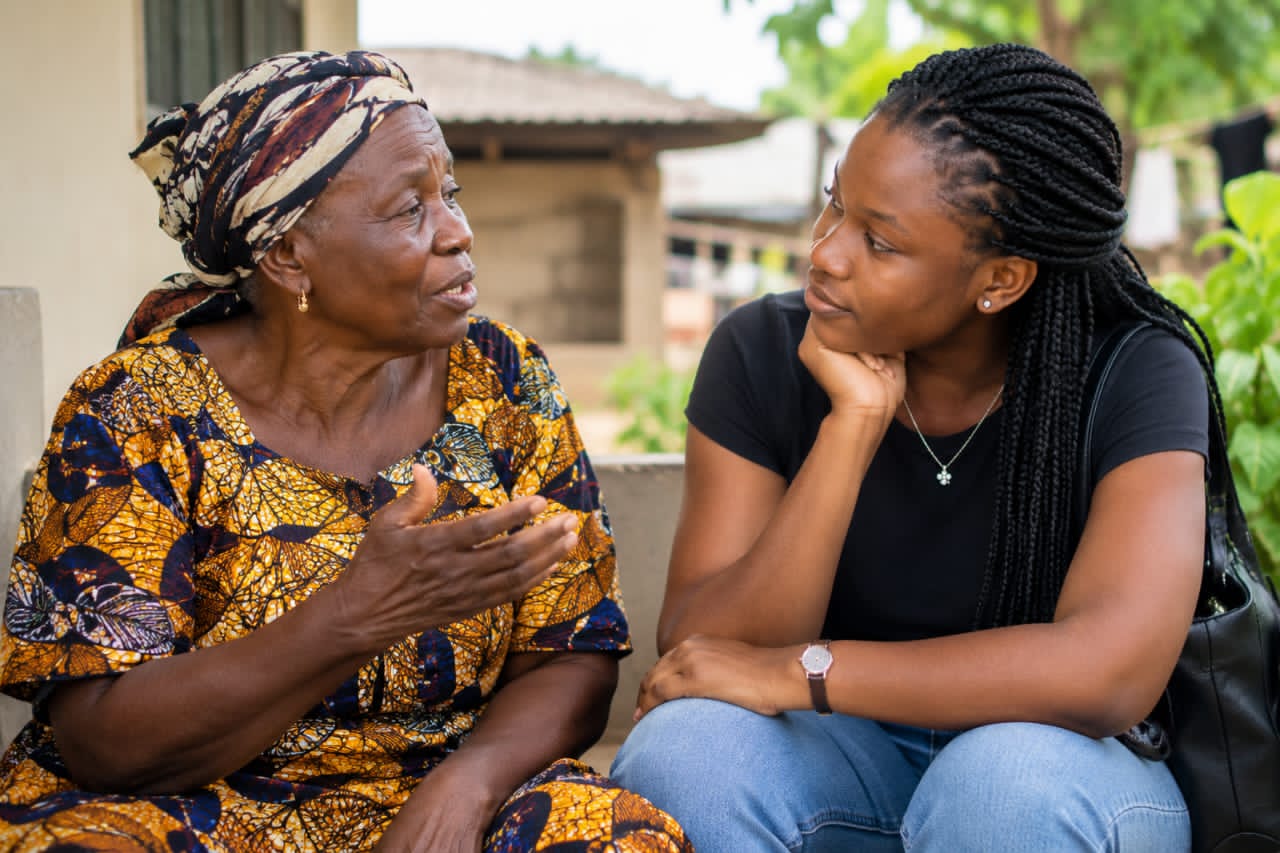
It immediately took me back to something my mother had told me before. “During our time, we walked long distances to the farm and even to school. Now, you young people complain about walking just a short distance.” She was not wrong. Her generation did walk. They carried things, fetched water, went to farms and got from one place to another without many of the conveniences we have today. But sitting in that trotro, another thought came to me: Must the fact that they walked mean that we must walk too?
And maybe that is the bigger question behind the familiar phrase we hear so often: “During our time…”
We hear it from our parents, grandparents, lecturers, church members and sometimes even older colleagues. “During our time, we walked long distances to school.” “During our time, students challenged lecturers in class.” “During our time, we carried our Bibles and notebooks to church.” “During our time, anyone in the community could discipline a child.” And to be fair, these experiences are real. They shaped the generations before us.
But what has changed?
Previous generations often had to spend more time and energy doing certain things because they had fewer options. Today, we have more convenient ways of doing the same things.
Technology and new methods have also made many tasks faster and easier. Using those options can simply mean we have found a more efficient way to get the same result. Doing something with less effort does not automatically mean we are lazy.
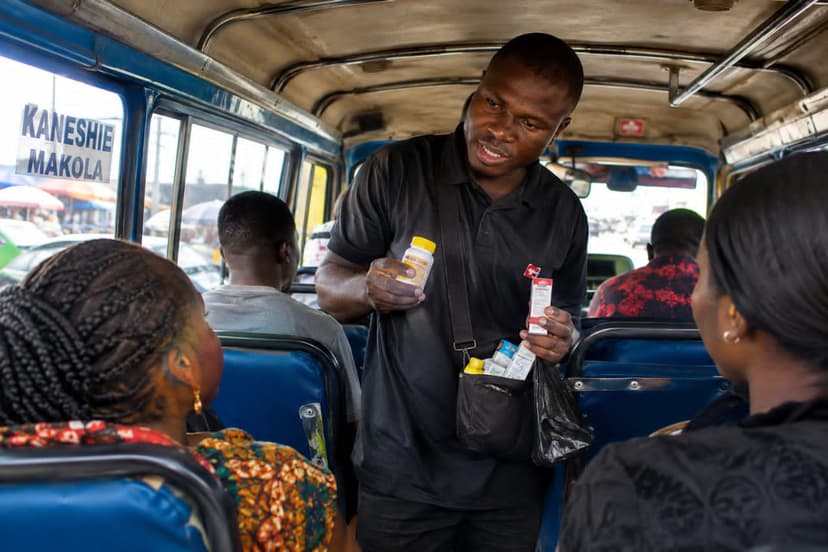
READ MORE: THE TROTRO PHARMACIST: SELF-MEDICATION CRISIS IN GHANA
The same change can be seen in education. Previous generations had fewer ways to access information. Students depended heavily on textbooks, libraries and lecturers. Today, with a phone and an internet connection, information that once required hours of searching can be accessed within minutes.
Some lecturers talk about how students in their time would challenge lecturers and ask questions after class, while today, they sometimes ask questions and receive very few responses.
There could be different reasons for this, but there may still be something worth learning from the observation. The tools have changed, but the willingness to learn should not.
We can use technology to make learning easier while still asking questions and thinking critically.
And the changes are not only visible in how we travel or learn.
They also appear in everyday practices that have shaped our culture and upbringing. Older people sometimes talk about carrying physical Bibles and notebooks to church, while today someone can have these resources on a phone.
The format has changed, but the value behind it does not necessarily have to disappear.
The same applies to discipline. Older generations often talk about a time when another adult in the community could correct a child when they misbehaved.
Today, that approach has changed, with greater expectations around who has the right to discipline another person's child. But the bigger question is whether we are still teaching responsibility, respect and accountability.
This is where the conversation about “our time” becomes more meaningful. Maybe we should stop asking, “Why can't young people do what we did?” and start asking, “What has changed, and what should we carry forward?”
We can preserve the lesson without preserving every circumstance that produced it. If walking long distances taught someone endurance, we can learn endurance without insisting that everyone must walk long distances.
If limited resources taught someone resourcefulness, we can practise resourcefulness even with modern technology. If challenging lecturers taught previous students to think critically, we can encourage critical thinking in today's classrooms too.
READ MORE: Marriage or Engagement? How Ghana Came to Call Customary Marriage an Engagement
And if strong community involvement taught children responsibility, we can find new ways to build that sense of responsibility today.
Different does not automatically mean worse, just as convenience does not automatically mean progress. So the responsibility lies with both generations.
The older generation can share the lessons that shaped them without expecting every generation to live through the same hardships. The younger generation can embrace new opportunities without using change as an excuse to reject everything from the past.
One day, it will be our time.
Today's young people will eventually have children and grandchildren who may study, work, communicate and worship in ways we cannot imagine today.
We may also find ourselves saying, “During our time…” And they may look at us the way we sometimes look at the generations before us. Maybe that thought should make us a little more patient with each other.
Our past matters. The experiences of our parents and grandparents matter. Their struggles, sacrifices and lessons can teach us things that books sometimes cannot. But I think “our time” should be a source of wisdom, not a weapon of comparison.
Not every old way is bad because it is old. And not every new way is good because it is new. We need to listen to those who came before us while also recognising that we are living in a different time.
Maybe the goal is not to decide whose generation had it better. Maybe it is to ask what each generation can learn from the other.
Because one day, this will also be our time.
And when that day comes, I hope we remember that the world was never meant to remain exactly as we found it.
Yes, that was your time. This is ours. What can we carry forward together?

Edem Kwame
Chief Editor
Edem Kwame is a staff journalist at GH News Media, where he covers news, sports, politics and current affairs with a sharp focus on Ghanaian and African football.